What Are the Benefits of Using Prefab Wall Panels for Construction?
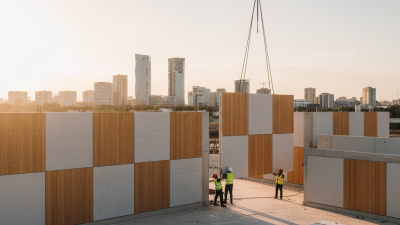
In recent years, the construction industry has seen a significant shift towards innovative building methods. One remarkable development is the use of prefab wall panels. These panels are pre-manufactured in a factory setting, which allows for precise engineering and quality control. As a result, they can streamline the construction process, reduce waste, and save time.
Prefab wall panels offer various advantages. They are not only cost-effective but also allow for faster project completion. Builders can erect structures more quickly, which meets growing demands for speed in construction. Moreover, their consistent quality often results in fewer on-site errors. However, it is essential to note that relying heavily on fabricated materials may limit some design flexibility.
While the benefits of using prefab wall panels are compelling, challenges still exist. Each project may have unique needs that require thoughtful consideration. Embracing this technology means balancing efficiency with customization. The construction industry must continually adapt to harness the full potential of prefab wall panels. This reflective approach will shape a more sustainable and innovative future.
Advantages of Prefab Wall Panels Over Traditional Construction Methods
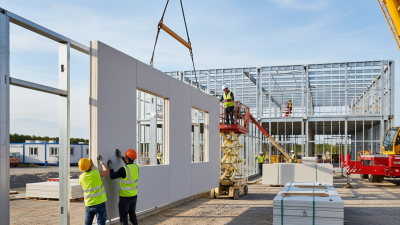
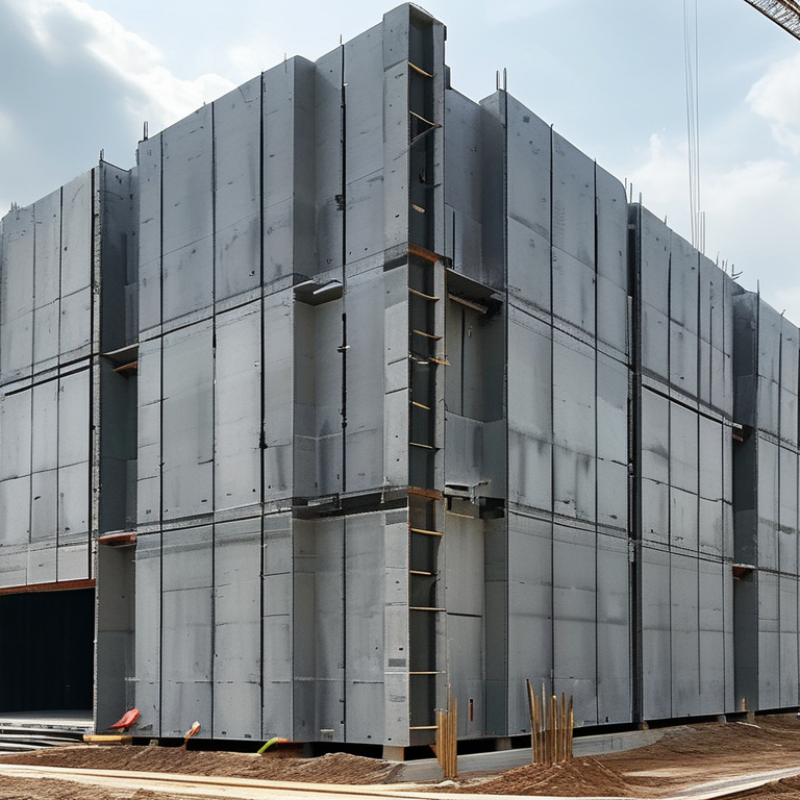
Prefab wall panels offer remarkable advantages over traditional construction methods. One major benefit is the speed of assembly. These panels are manufactured off-site, allowing for quicker installation. This can significantly reduce the overall construction time, enabling projects to be completed ahead of schedule. In today’s fast-paced environment, time is crucial. Builders can meet deadlines more effectively using prefab solutions.
Additionally, prefab wall panels enhance design flexibility. They can be customized to fit various architectural styles and building requirements. From insulation properties to aesthetic finishes, these panels cater to a variety of needs. However, achieving the perfect fit may require careful planning. Misalignment during manufacturing could lead to challenges on-site. Despite this, many find the benefits outweigh the potential downsides.
Cost savings also play a vital role in the popularity of prefab wall systems. Reducing labor costs and minimizing waste creates a more efficient use of resources. Some may argue that upfront costs can be higher. But the long-term savings often justify the initial investment. Ultimately, the trend towards prefab construction reflects a growing awareness of sustainable building practices. The industry is gravitating towards solutions that are efficient, reliable, and environmentally friendly, yet imperfections in execution remain a topic for reflection.
Cost Efficiency of Prefab Wall Panels in Building Projects
Prefab wall panels are transforming construction efficiency. Their assembly line production significantly reduces costs. According to a report from the National Institute of Building Sciences, utilizing prefab components can lead to savings of up to 20% on material costs. This is particularly crucial given that materials account for a large portion of overall project expenses.
Speed is another advantage. Prefab wall panels can be erected quickly on-site, reducing labor costs and time. A study from the Construction Industry Institute shows that projects using prefab components can finish up to 30% faster than those that rely entirely on traditional methods. However, some construction teams report challenges with initial logistics and coordination. Adjustments may be needed to accommodate unique site conditions, which can affect schedules.
The environmental impact is also notable. Prefab construction can reduce waste by up to 50%, as panels are precisely manufactured in controlled environments. This statistic highlights the potential for sustainability in building practices. Yet, the reliance on mass production methods raises questions about local craftsmanship and community impact, prompting a need for further examination. Prefab wall panels certainly present cost benefits, but the construction industry must balance efficiency with these broader considerations.
Time-Saving Benefits of Using Prefab Wall Panels for Construction
Prefab wall panels are revolutionizing the construction industry by significantly reducing build time. Traditional construction methods often require extensive manual labor and time. In contrast, prefab panels are manufactured off-site. They can be quickly assembled at the construction site, leading to efficiency gains. According to industry studies, using prefab wall panels can cut construction time by up to 50%. This not only speeds up the overall project timeline but also reduces labor costs.
Selecting prefab panels has broader implications beyond just speed. The controlled factory environment allows for better quality control. Panels can be constructed with precision, minimizing errors commonly seen on-site. This leads to fewer delays during the assembly phase. Furthermore, prefabrication can enhance sustainability efforts. Studies show that factories can produce less waste compared to traditional methods.
One tip for those considering prefab wall panels is to ensure proper planning. Early project design can streamline the integration of panels. Another consideration is transportation logistics. Proper planning can mitigate potential issues with delivery schedules. Building quickly requires a strong focus on efficiency from all sides. The speed of construction can be impressive, but careful attention to detail remains essential.
Impact of Prefab Wall Panels on Energy Efficiency and Sustainability
Prefab wall panels are revolutionizing construction, particularly in terms of energy efficiency and sustainability. These panels are manufactured off-site, allowing for precision engineering and reduced waste. Traditional construction methods often lead to significant material scraps, while prefab panels optimize the use of resources. This can lower the overall environmental footprint of a project.
Incorporating prefab panels can enhance a building's energy performance. The insulation properties of these panels are often superior to traditionally built walls. This can drastically reduce heating and cooling costs, leading to long-term savings. However, it’s essential to ensure proper installation to achieve optimal energy efficiency. If not executed correctly, even high-quality panels may not perform as intended.
Using prefab wall panels also supports sustainable building practices. They can be produced using eco-friendly materials, contributing to a circular economy. While the initial investment might be higher, the benefits over time, both environmentally and economically, can be substantial. It's vital to analyze whether prefab meets specific project needs, as not all structures may benefit equally from this approach.
Benefits of Using Prefab Wall Panels for Construction
This chart illustrates the various benefits of using prefab wall panels in construction, highlighting their significant impact on energy efficiency, cost savings, construction speed, reduced waste, and design flexibility.
Enhanced Structural Integrity and Durability of Prefab Wall Panels
The use of prefab wall panels in construction brings significant benefits. Enhanced structural integrity is one of the most notable advantages. According to a study by the National Institute of Standards and Technology, prefab panels can improve load distribution, reducing stress on joints and supports. This stability leads to fewer structural failures over time.
Durability is another crucial factor. Prefab wall panels are often made from high-quality materials that withstand harsh weather conditions. Reports indicate that structures built with these panels can last 30% longer than traditional wall systems, minimizing long-term repair costs. This durability not only benefits builders but also provides peace of mind for homeowners and building occupants.
However, some might question the initial investment required for prefab wall panels. The upfront costs can be higher compared to traditional construction methods. Yet, the long-term savings on maintenance and repairs often outweigh these costs. Many in the industry highlight the need for better education on the lifecycle benefits of these panels to justify the initial price, emphasizing that the focus should be on long-term value over short-term expenditure.