What is prefab wall panels and why are they popular?
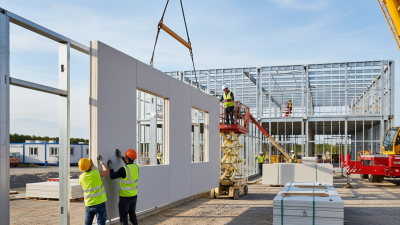
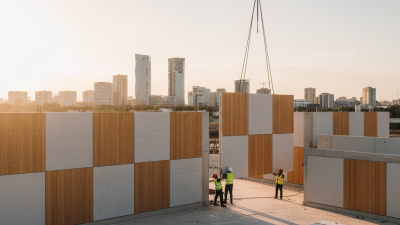
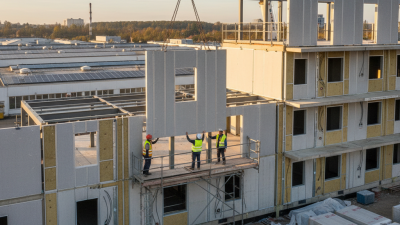
Prefab wall panels are gaining traction in modern construction. They offer a range of benefits that appeal to builders and homeowners alike. These panels are engineered off-site and delivered ready for installation, which simplifies the building process and reduces construction time.
The popularity of prefab wall panels stems from their efficiency and cost-effectiveness. These components can be mass-produced, which helps lower costs. Additionally, their consistent quality reduces the chance of errors. Imagine a project where walls are erected in days instead of weeks. This advantage is hard to ignore.
However, there are considerations to reflect on. The reliance on factory production may raise concerns about customization. Not every design can be easily accommodated. Additionally, transporting these panels can be a logistical challenge. It's essential to weigh these factors against the benefits. Overall, prefab wall panels are reshaping how we think about construction.
What are Prefab Wall Panels?
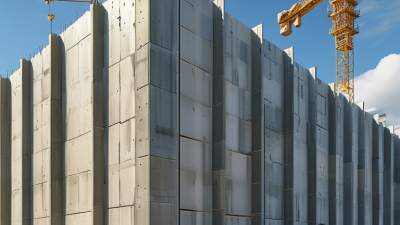
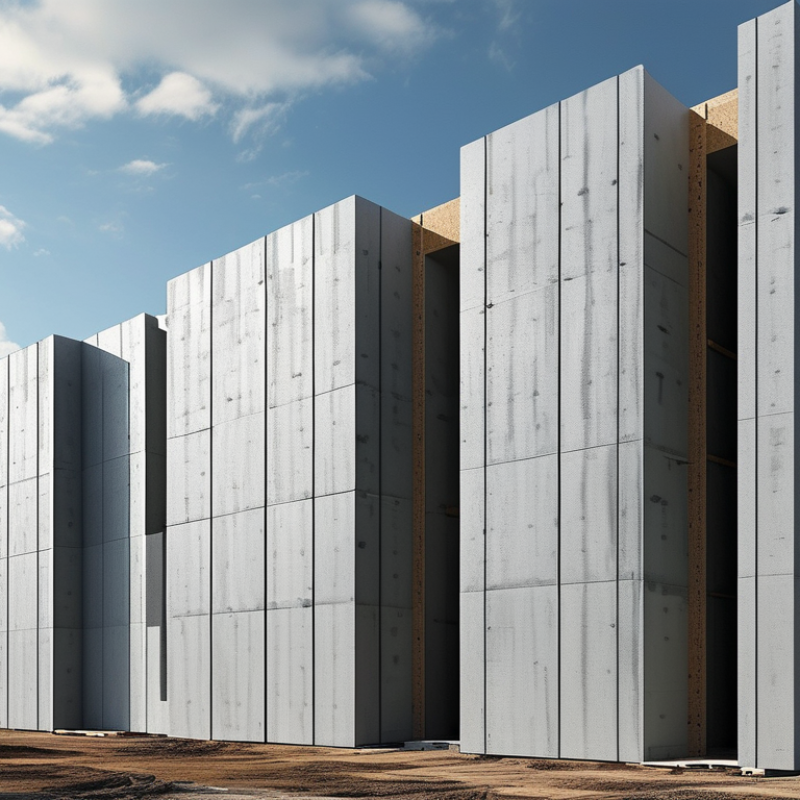
Prefab wall panels are a modern construction solution that has gained popularity in recent years. They are pre-manufactured sections of wall, made off-site, and assembled on location. This method streamlines the building process. Prefab panels come in various materials, including wood, metal, and concrete. They can be tailored to fit specific design needs.
One reason for the growing interest in prefab wall panels is their efficiency. Building with these panels often reduces labor costs. The reduced construction time can be a significant advantage. However, there are concerns about quality control. Some builders worry that off-site manufacturing may lead to inconsistencies. Furthermore, the initial investment can be higher than traditional methods. Not all projects are suited for prefab panels. Certain designs may require custom solutions.
Despite these challenges, many builders see the value in prefabrication. Prefab wall panels can offer quicker build times and reduced waste. They are particularly popular in residential and commercial sectors. Yet, careful planning and consideration are essential. Selecting the right project type is crucial for successful implementation.
Benefits of Using Prefab Wall Panels in Construction
Prefab wall panels have gained significant traction in the construction industry due to their efficiency and flexibility. One major benefit is time savings. A study by the National Institute of Building Sciences reported that prefabrication can reduce construction time by up to 20%. This rapid assembly leads to fewer labor costs and quicker project turnover.
Additionally, prefab wall panels are known for their sustainability. According to a report from McGraw-Hill Construction, 75% of builders believe that using prefabricated components reduces material waste. By minimizing waste, these panels contribute to greener construction practices, aligning with modern eco-friendly expectations.
Tips for maximizing prefab panel benefits include ensuring precision in measurements before manufacturing. Accurate specifications lead to better fit and finish, minimizing adjustments on-site. Another helpful strategy is to assess local construction regulations. Some regions may have specific requirements for prefab installation, which can affect timelines and costs. Leveraging these insights can help streamline your construction processes and result in a more effective project.
What is prefab wall panels and why are they popular? - Benefits of Using Prefab Wall Panels in Construction
| Feature |
Description |
Benefits |
| Construction Speed |
Prefab wall panels are manufactured off-site and installed quickly. |
Reduces overall construction time significantly. |
| Quality Control |
Built in a controlled environment, ensuring high-quality materials and finishes. |
Consistent quality and fewer defects. |
| Cost-Effectiveness |
Lower labor and material costs due to efficiency. |
Saves money on project budgets. |
| Design Flexibility |
Various styles, finishes, and layouts available. |
Customizable to meet design specifications. |
| Sustainability |
Often made with eco-friendly materials and processes. |
Reduces waste and environmental impact. |
| Energy Efficiency |
Designed with insulation properties to save energy. |
Lower energy bills and enhanced comfort. |
Types of Prefab Wall Panels Available in the Market
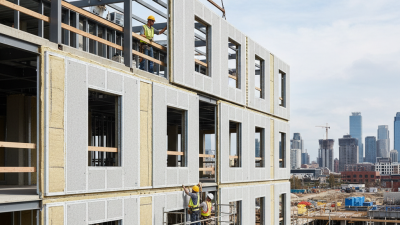
Prefab wall panels have gained popularity due to their efficiency and versatility. Various types of prefab wall panels cater to different construction needs. Among them, insulated panels are well-known for their energy efficiency. These panels incorporate insulation material within the layers, enhancing thermal performance. They are ideal for residential and commercial buildings.
Another popular type is structural panels. These panels are designed to provide support and can bear significant loads. They are often made from materials like plywood or oriented strand board. This factor makes them suitable for buildings requiring enhanced strength.
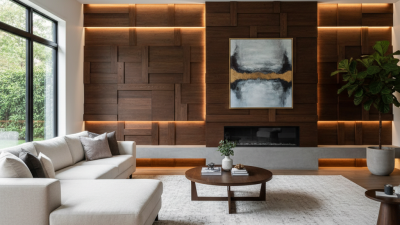
There are also non-structural panels that serve aesthetic purposes. These panels can create visually appealing facades without adding much weight to the structure. However, the choice of materials and finishes can affect their durability and maintenance requirements. Various options are available, but not every choice suits every project. Making the right decision requires careful consideration of the specific needs and conditions of the construction site.
Factors Contributing to the Popularity of Prefab Wall Panels
Prefab wall panels are gaining traction in construction for several compelling reasons. Their speed of installation is remarkable. Builders can erect a structure much quicker than with traditional methods. This is largely due to the panels being manufactured off-site. They are delivered ready to install, minimizing construction time on the job site.
Cost-effectiveness is another significant factor. Using prefab wall panels can reduce labor costs and waste. As these materials are produced in controlled environments, quality is often higher, leading to fewer errors. However, there can be challenges in transporting these panels. Logistics can complicate delivery schedules, and managing large panels requires careful planning.
Energy efficiency plays a role, too. Many prefab wall panels offer superior insulation. This reduces heating and cooling costs for homeowners, attracting environmentally conscious buyers. There’s a growing demand for sustainable building practices. Yet, scrupulous attention must be given to the materials used. Some builders still question the long-term durability of prefab products. Balancing innovation with conventional techniques can lead to better results.
Applications and Use Cases of Prefab Wall Panels in Various Industries
Prefab wall panels have gained traction across various industries for their versatility and efficiency. They are widely used in residential construction, commercial buildings, and even industrial facilities. These panels offer quick installation, allowing projects to progress faster. In residential settings, homeowners appreciate the energy efficiency provided by pre-insulated panels.
In commercial construction, prefab wall panels streamline the building process while reducing waste. This method supports the trend toward sustainable building practices. Many industries, such as healthcare and education, benefit from the modularity of these panels. They allow for simple reconfiguration, accommodating changing needs.
When using prefab wall panels, careful planning is crucial. Ensure that measurements are precise before fabrication. This can reduce costly mistakes during installation. Consider local building codes; compliance is essential for safety and functionality. Lastly, always evaluate the durability and insulation properties of the panels to meet the specific demands of your project.
Applications and Use Cases of Prefab Wall Panels in Various Industries