2026 How to Use Pre Built Wall Panels for Efficient Construction?
In recent years, the construction industry has seen a transformative shift towards efficiency and sustainability. Pre built wall panels are at the forefront of this evolution. According to recent reports, using these panels can reduce construction time by up to 40%. This accelerated timeline is crucial in a market where deadlines are tight.
Manufacturers have improved the design and quality of pre built wall panels, making them more popular among builders. A significant benefit is their contribution to energy efficiency. Buildings constructed with these panels often see a reduction in energy costs by approximately 20%. However, not all projects may benefit equally from this method.
While pre built wall panels offer many advantages, challenges can arise. For instance, transport logistics and site-specific adjustments may complicate their use. Some builders hesitate to fully embrace this technology due to these potential setbacks. It is essential for stakeholders to carefully consider these factors when planning new projects. Embracing pre built wall panels could lead to improved project outcomes, but awareness of the limitations is equally important.
Benefits of Using Pre-Built Wall Panels in Modern Construction
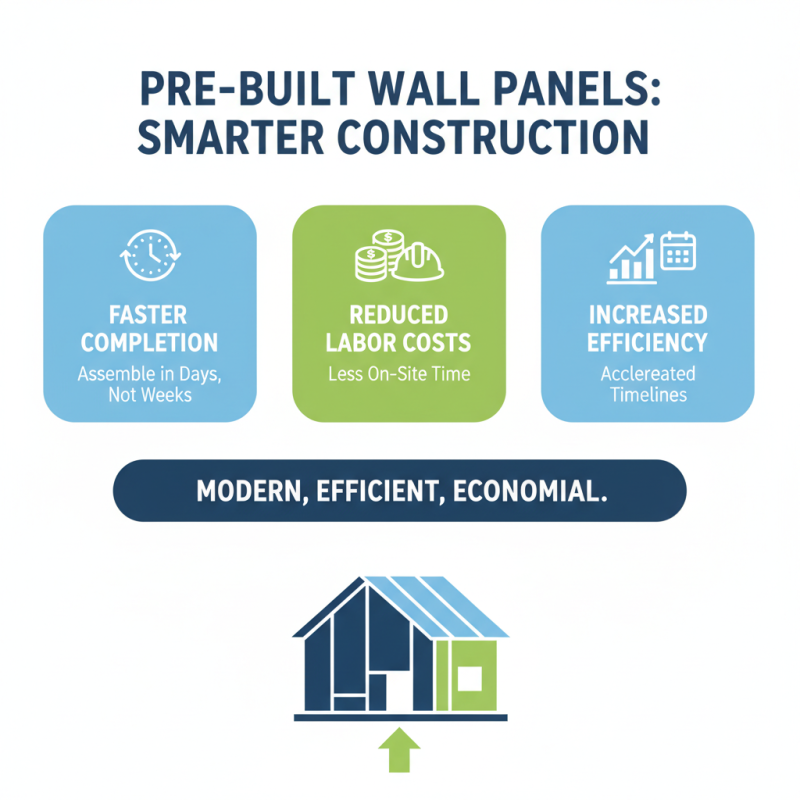
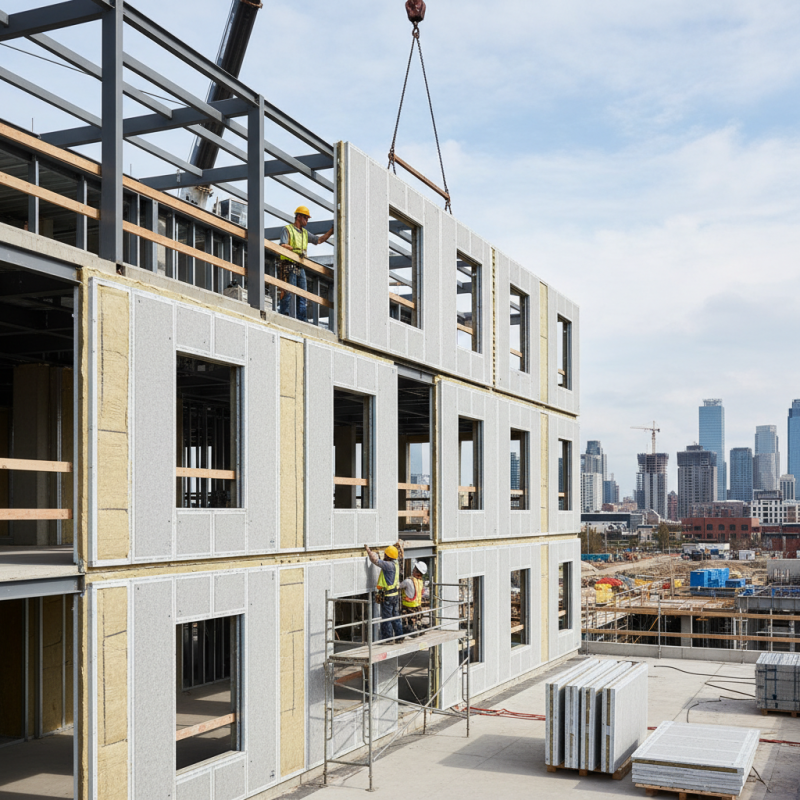
Pre-built wall panels offer significant advantages for modern construction. They save time on-site, allowing projects to progress faster than traditional methods. With panelized systems, workers can assemble buildings in days instead of weeks. This efficiency translates to lower labor costs and reduced project duration.
These panels are also energy-efficient. Many are designed with insulation built in, which improves thermal performance. Structures can maintain comfortable temperatures with less energy, leading to savings on heating and cooling. While this is an undeniable benefit, it’s important to ensure correct installation to maximize these advantages. If not done properly, the benefits may not fully materialize.
However, there are reflections to consider. Customization can be limited; some projects may require unique designs that prefabricated panels cannot accommodate. Moreover, the transport of large panels can lead to challenges, especially in urban areas. It's crucial to weigh these factors against the benefits when choosing pre-built wall panels for construction projects.
Key Types of Pre-Built Wall Panels and Their Applications
Pre-built wall panels have gained momentum in construction due to their efficiency. According to the U.S. Department of Energy, using these panels can reduce project timelines by up to 30%. They are prefabricated off-site, allowing for faster on-site assembly. This method minimizes labor costs and decreases potential construction errors.
There are two main types of pre-built wall panels: structural insulated panels (SIPs) and metal wall panels. SIPs offer excellent thermal efficiency. According to a report from the National Association of Home Builders, buildings with SIPs can save up to 50% in energy costs. On the other hand, metal wall panels are popular in commercial projects. They’re durable and often used for their aesthetic appeal. However, the upfront cost can be significant.
While pre-built panels can lead to quicker builds, they also require careful planning. Ensuring accurate measurements is critical. Mistakes here can lead to costly delays. The reliance on factory conditions means any unexpected changes may not be easily accommodated. Embracing this construction method means weighing the benefits against these potential issues.
Comparative Analysis of Cost Efficiency with Pre-Built Panels
Pre-built wall panels have become a popular choice in the construction industry. Their efficiency is striking. In a recent report by the Building Industry Association, it was indicated that using these panels can reduce labor costs by approximately 30%. This reduction is significant as labor often accounts for 50% of total construction expenses.
Additionally, the time to erect structures can be cut in half. The typical on-site assembly time is reduced from weeks to days with prefabricated panels. A study by Construction Research Institute found that projects using pre-built panels achieved completion at an average of 20% faster than traditional methods. However, some challenges remain.
Quality control is crucial but can be inconsistent across manufacturers. This inconsistency can lead to unexpected costs. Furthermore, while the upfront cost of pre-built panels may appear higher, lifecycle savings can be substantial. An analysis revealed that energy efficiency can be improved by up to 40% in buildings utilizing modern panel technologies. Adopting these methods requires careful consideration and planning.
2026 How to Use Pre Built Wall Panels for Efficient Construction? - Comparative Analysis of Cost Efficiency with Pre-Built Panels
| Panel Type |
Material Cost ($/sq ft) |
Labor Cost ($/sq ft) |
Installation Time (hrs/sq ft) |
Total Cost ($/sq ft) |
Energy Efficiency Rating |
| Wood Panel |
6.50 |
4.00 |
2.5 |
10.50 |
B |
| Steel Panel |
9.00 |
3.50 |
1.5 |
12.50 |
A |
| Concrete Panel |
10.00 |
5.50 |
3.0 |
15.50 |
C |
| Fiberglass Panel |
7.50 |
4.50 |
2.0 |
12.00 |
B |
| Insulated Panel |
8.00 |
3.00 |
1.0 |
11.00 |
A+ |
Installation Process of Pre-Built Wall Panels: A Step-by-Step Guide
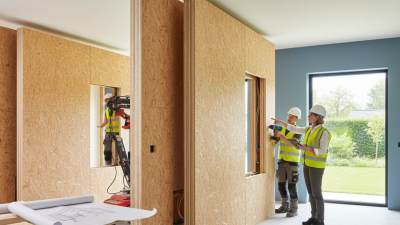
The installation of pre-built wall panels simplifies the construction process. Start by preparing the site. Clear debris and ensure a level foundation. Check measurements carefully. Every inch counts; accuracy is vital.
Next, lay out the panels based on your design. Align them properly to prevent crooked walls. It might seem easy, but misalignment can lead to issues. Pay attention to corners. They require special care to fit seamlessly.
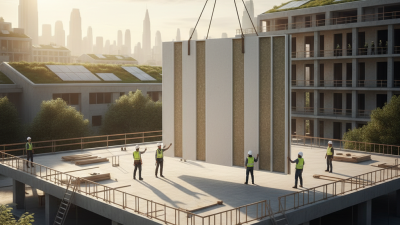
When lifting panels, teamwork is essential. One person cannot manage heavy panels alone. Always use safety gear. Injuries can happen quickly. Remember, this isn't just about speed; it’s about quality.
**Tips:**
Keep a level handy as you install. This can save you from future adjustments. Use clamps to hold panels in place before securing them. A strong grip prevents accidental slips.
Double-check all connections. Misplaced screws can compromise stability. It's okay to take a moment to ensure everything is snug. Rushing can lead to costly mistakes. Take pride in your work, even the small details matter.
Construction Efficiency: Pre-Built Wall Panels Usage
Industry Trends: The Future of Pre-Built Wall Panels in Construction
The construction industry is experiencing a shift towards pre-built wall panels. These panels offer many advantages, but challenges remain. Promising efficiency can be lost if the panels are not properly integrated on site. Workers must understand how to install them without errors. Training is essential; gaps in skill can lead to delays.
Future trends indicate greater adoption of these panels. Innovations in design and material technologies are emerging. However, there is a risk of over-reliance on them. It is important not to overlook traditional building methods entirely. Flexibility in construction approaches can enhance project outcomes. Strictly sticking to pre-built solutions may limit creativity.
As this trend grows, it is crucial to reflect on sustainability. Pre-built panels must be produced responsibly. Materials should ideally come from renewable sources. The impact on the environment cannot be ignored. Balancing efficiency and ecological responsibility will shape the future of construction. This requires ongoing evaluation and adaptation.