Top 10 Wainscoting Panels for Your Home Design Needs?
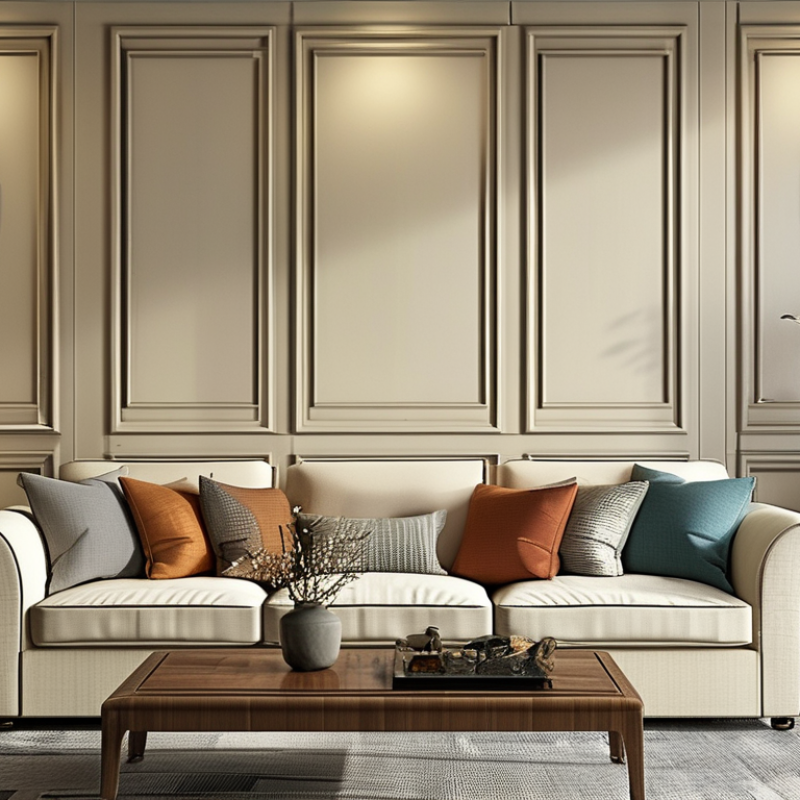
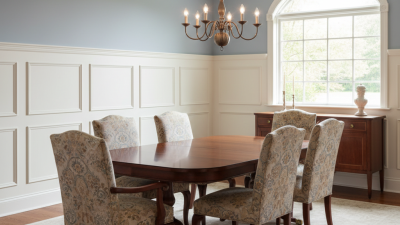
Wainscoting panels offer a timeless appeal in home design. They add depth, character, and visual interest to any room. Choosing the right style can transform your space and reflect your personal taste.
In recent years, wainscoting has regained popularity. With various designs available, it can enhance both classic and modern aesthetics. Each type of panel carries its own unique charm and functionality. From traditional beadboard to sleek, contemporary styles, homeowners have many options.
When selecting wainscoting panels, consider material and finish. Wood, MDF, and vinyl all present different advantages. Assess durability, maintenance, and installation complexity. It's essential to balance style and practicality in your choices. Experimenting with colors and textures can lead to impressive results. Reflect on what resonates most with you when designing your space.
Understanding Wainscoting: Definition and Historical Significance
Wainscoting is more than just a design feature. It holds historical significance, dating back to the 16th century in Europe. Initially, it was used for practical reasons, such as insulation and protection against moisture. As time progressed, it became a symbol of affluence and architectural sophistication.
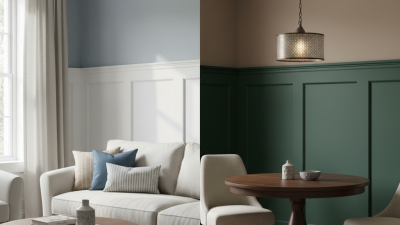
One effective way to incorporate wainscoting is by choosing the right material. Woods like oak and pine are traditional choices. They provide warmth and texture. Engineered wood panels are more affordable and offer a modern twist. Experimenting with colors can also elevate the look. A fresh coat of paint can make your space feel vibrant and updated.
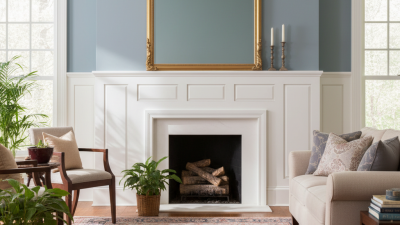
Consider the layout of your room when selecting wainscoting. Taller panels can create a sense of elegance in small spaces. Meanwhile, chair rails are practical for homes with children or pets. They add a decorative touch while safeguarding your walls.
It's important to reflect on your design choices. Wainscoting may not suit every style. Sometimes, a minimalist approach is more effective. Embrace the imperfections in your design journey. This allows for a more personalized, authentic space that truly reflects your personality.
Top 10 Wainscoting Panels for Your Home Design Needs
Types of Wainscoting Panels: A Comprehensive Overview
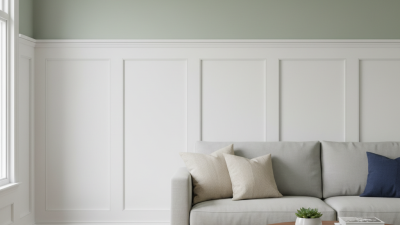
Wainscoting is a popular choice for enhancing interior spaces. There are various types of wainscoting panels, each offering unique characteristics. Board and batten is an option that combines vertical boards with thin strips, creating a rustic look. This style often works well in country or farmhouse designs. Raised panel wainscoting provides a more formal appearance. It features panels that stand out from the wall, making it a classic choice for traditional homes.
Consider the space you’re decorating. Do you want a casual or elegant feel? Think about colors and textures. The wood type can dramatically affect the ambiance. Soft woods like pine give a warm, inviting vibe. Hardwoods such as oak or cherry provide richness and durability. Take your time choosing. Mistakes in color and design can lead to a costly redo.
Don't forget practical aspects. Consider maintenance and durability. Some finishes are easier to clean than others. Reflect on how much wear your wainscoting will experience. If the space is high-traffic, choose a sturdy panel. Sometimes, a simple design is better than something intricate. A clean look can prevent overwhelming the room’s overall style. Focus on what resonates with your vision.
Top 10 Wainscoting Panels: Features and Benefits
Wainscoting panels can transform your home’s aesthetic. They add depth and elegance to any room. One common material is wood, known for its classic appeal. It can be painted or stained, allowing for customization. This adaptability lets homeowners match their panels to their existing decor. Moreover, they can enhance the acoustics in a space, making it feel more intimate.
Another popular option is PVC panels. These are lightweight and resistant to moisture, ideal for kitchens and bathrooms. Installation is often simpler than wood. Homeowners can achieve a polished look without major renovations. However, they may not provide the same warmth as natural materials. Wainscoting can elevate a room, but it might require careful maintenance to retain its beauty over time. Subtle imperfections can add character, leading to a more inviting atmosphere. Each type of panel comes with unique features and benefits, inviting you to explore what fits best with your home’s style.
Choosing the Right Material for Your Wainscoting Panels
Choosing the right material for your wainscoting panels can greatly influence your home's aesthetic and functionality. Wood remains a popular choice, known for its timeless elegance. According to industry reports, around 45% of homeowners prefer solid wood for its durability and versatility in design. However, it requires maintenance to prevent warping and damage over time.
MDF (Medium-Density Fiberboard) offers a cost-effective alternative. It is smooth and ideal for paint, making it appealing for many. The Composite Panel Association indicates that MDF is gaining traction, accounting for nearly 30% of wainscoting installations. Yet, it's crucial to recognize that MDF can be prone to moisture damage if not properly sealed.
Vinyl panels are increasingly favored in humid areas. They are resistant to moisture and easy to clean, appealing to practical homeowners. Approximately 20% of installations now use vinyl, according to the National Association of Home Builders. While vinyl may lack the warmth of wood, it provides excellent durability and low maintenance—qualities that shouldn't be overlooked.
Installation Tips for Wainscoting: DIY vs. Professional Help
When considering wainscoting installation, you'll face a key decision: tackle it yourself or hire a professional. DIY installations can save money but may require a steep learning curve. It's crucial to measure walls accurately and choose materials wisely. A basic understanding of carpentry tools can help, but not everyone has the patience for fine details. Mistakes can lead to uneven panels or misaligned patterns, which can be frustrating.
On the other hand, professional help ensures quality results. Experienced installers have the right tools and expertise to execute complex designs effortlessly. They can navigate common pitfalls, providing a polished finish that enhances your home's aesthetic. However, hiring pros involves costs that may not fit every budget. Balancing quality and affordability is essential. Reflect on your priorities and skills before moving forward, as each approach has its own set of challenges.