Top 10 Premade Walls for Your Next Construction Project?
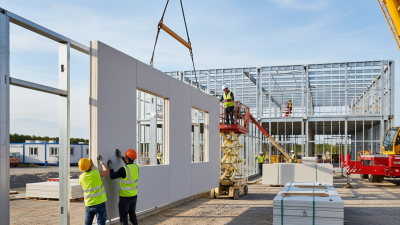
In the world of construction, efficiency and quality are crucial. That's where premade walls come into play. This innovative solution streamlines the building process significantly. Prefabricated walls save time and reduce labor costs. They are built in controlled environments, ensuring high standards.
Selecting the right premade walls can be overwhelming. Each project has unique needs. Some structures require added insulation or specific design features. It's essential to consider these factors when choosing.
In this list, we'll explore the top 10 premade walls available. We will examine their benefits and potential drawbacks. Understanding these options helps ensure the best choice for your next project. Embracing premade walls can dramatically enhance your construction experience.
The Importance of Using Premade Walls in Modern Construction Projects
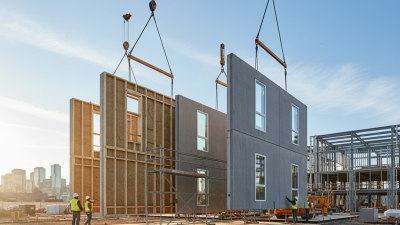
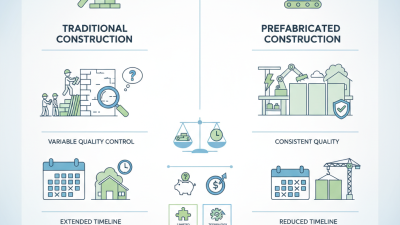
In recent years, the demand for premade walls has surged in the construction industry. These walls offer significant benefits that streamline the building process. They save time, reduce labor costs, and ensure consistent quality. At the same time, they enable quick assembly, which is crucial in tight project timelines. However, relying solely on premade walls may introduce challenges, such as limited customization. Builders often need to weigh the efficiency of prefabrication against specific project requirements.
Another important factor is sustainability. Many premade walls are designed with eco-friendly materials. This can minimize waste and promote energy efficiency across structures. Despite these advantages, it's essential to consider the source of materials used in production. Ensuring that these materials are responsibly sourced can be a complex task. Not all manufacturers adhere to the same ethical standards, which could impact the overall sustainability of a project. Finding a balance between quality, cost, and environmental responsibility remains an ongoing challenge in modern construction.
Key Materials Used in the Production of Premade Walls
Premade walls are revolutionizing the construction industry, offering efficiency and quality. These walls utilize various materials that play a crucial role in their performance. Common materials include steel, concrete, and insulated panels. Steel provides strength and longevity, while concrete ensures durability and resistance to weather elements. Insulated panels enhance energy efficiency, making buildings more environmentally friendly.
In addition to these staple materials, manufacturers experiment with innovative composites. These composites aim to improve structural integrity and reduce weight. A challenge remains, however: sourcing sustainable materials. This is an area where many companies are still evolving. Finding a balance between affordability and eco-friendliness is not always straightforward.
Labor and production methods also significantly influence the final product. Skilled workers are essential for ensuring quality control during assembly. Yet, the gap between demand for skilled labor and what is available adds pressure on projects. Companies must invest in training and development to meet industry standards. By addressing these challenges, the production of premade walls can continue to advance, leading to better and more reliable construction solutions.
Top 10 Types of Premade Walls and Their Specific Applications
When planning a construction project, understanding the types of premade walls is essential. These walls offer various benefits, from efficiency to reduced labor costs. Traditional materials like wood and metal are still in use. However, innovative materials like insulated concrete forms (ICFs) are gaining popularity. ICFs provide excellent insulation, contributing to energy efficiency in buildings.
Lightweight concrete panels are another option. These panels are easy to transport and quick to install. They work well for residential and commercial structures. Additionally, tilt-up walls are ideal for large commercial buildings. They allow for rapid construction and can be cost-effective, though some may question their aesthetic flexibility.
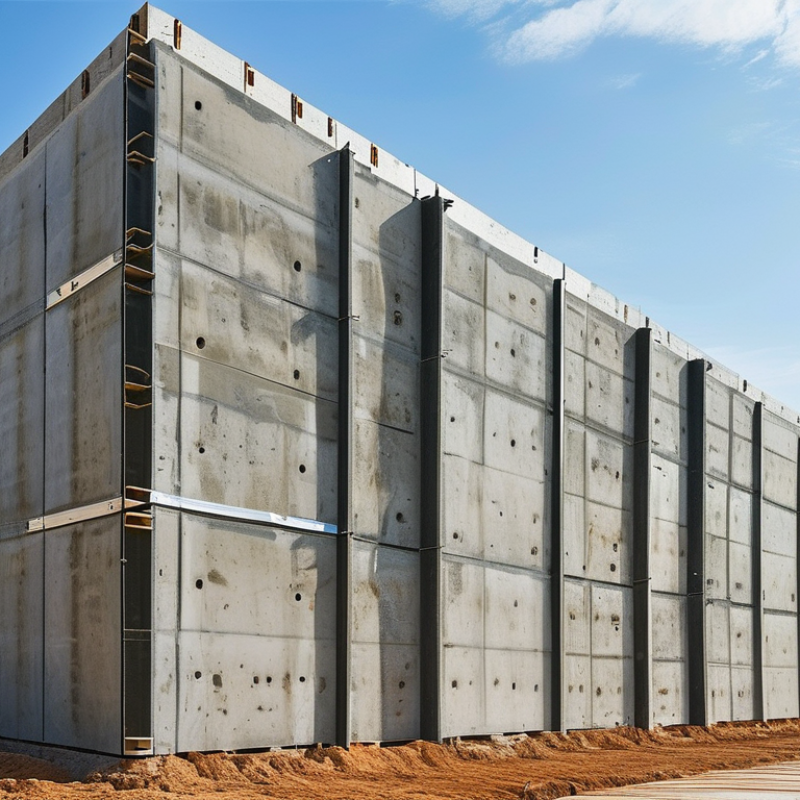
Durability is a crucial consideration when choosing wall types. Precast concrete walls can withstand harsh weather and provide superior soundproofing. On the other hand, sheer walls, made from steel and concrete, offer stability in seismic areas. While they are effective, they can be heavy and challenging to handle. Selecting the right wall type involves weighing various factors, including purpose, cost, and installation challenges. Each choice has its unique advantages and limitations.
Cost Analysis: Comparing Premade Walls to Traditional Construction Methods
The construction landscape is evolving. Premade walls are gaining traction due to their efficiency and cost-effectiveness. A recent industry report reveals that prefabricated walls can reduce building costs by up to 20% compared to traditional methods. This significant saving comes from decreased labor hours and minimized waste. With these walls, projects can often be completed months earlier.
However, the initial investment in premade walls can be higher than traditional materials. The upfront costs may deter some contractors. Yet, when factoring in the long-term savings on labor and time, many find this upfront cost justifiable. According to a survey, 45% of builders reported switching to prefabrication due to these long-term benefits. There's a growing need for professionals to consider the broader financial and environmental implications of their choices.
Challenges remain. While premade walls offer several advantages, they require precise planning and transportation logistics. Inconsistent quality control can lead to setbacks. Builders must weigh these factors against potential savings. The decision often involves assessing both immediate needs and future project goals.
Top 10 Premade Walls for Your Next Construction Project - Cost Analysis: Comparing Premade Walls to Traditional Construction Methods
| Wall Type |
Material |
Cost per Square Foot |
Installation Time (Days) |
Durability Rating (1-10) |
Insulation Value (R-Value) |
| Concrete Panel |
Concrete |
$15 |
5 |
9 |
R-12 |
| Wood Frame |
Wood |
$10 |
7 |
7 |
R-15 |
| Steel Frame |
Steel |
$20 |
6 |
8 |
R-10 |
| Panelized System |
Composite |
$18 |
4 |
9 |
R-14 |
| Brick Wall |
Brick |
$22 |
8 |
10 |
R-5 |
| Gypsum Panel |
Gypsum |
$8 |
3 |
6 |
R-13 |
| ICF (Insulated Concrete Form) |
Concrete Foam |
$25 |
5 |
10 |
R-20 |
| SIP (Structural Insulated Panels) |
Wood Foam Composite |
$30 |
4 |
10 |
R-25 |
| Modular Wall |
Steel/Aluminum |
$28 |
3 |
9 |
R-18 |
| Hay Bale Wall |
Straw |
$12 |
6 |
8 |
R-25 |
Future Trends in Premade Wall Technology and Sustainability
The future of premade wall technology is closely intertwined with sustainability. In recent years, 80% of construction professionals have shown a preference for using prefabricated building materials. This trend aligns with growing concerns regarding environmental impact. Today's premade walls often incorporate recycled materials, which can reduce waste by up to 30%. Moreover, energy-efficient designs minimize the carbon footprint associated with construction.
Incorporating advanced technologies, like 3D printing, has led to innovative wall designs that are both stylish and functional. A report from the World Green Building Council indicates that green buildings can lead to energy savings of 30% to 50%. This shift not only enhances the lifespan of structures but also improves overall energy performance. As more architects embrace these solutions, it’s evident that sustainability in construction is not merely a trend but a necessity.
Developing a strategy that prioritizes sustainability can be challenging. It’s essential to consider local regulations and the availability of green materials. While costs might initially be higher, the long-term savings from energy efficiency often outweigh the investment. Engaging in collaborations with sustainable suppliers can also enhance your project's credibility and reliability. Consider starting with small adjustments, like using pre-manufactured components, to ease the transition.
Top 10 Premade Walls for Your Next Construction Project