7 Best Aluminum Louver Windows for Global Buyers?
Choosing the right Aluminum Louver Windows can feel simple until climate, building codes, and installation quality enter the decision. Global buyers need more than attractive photos or impressive airflow claims. A window for a humid coastal home may require corrosion-resistant finishes and stainless-steel hardware. A model for a cold region needs better sealing, drainage, and thermal performance. These differences make one universal “best” choice impossible.
This guide examines seven Aluminum Louver Windows selected for practical international use. We consider frame strength, blade control, ventilation, water resistance, maintenance, customization, and supplier reliability. We also look at details that are easy to miss, such as uneven blade movement, weak corner joints, and difficult-to-replace handles. Small defects matter.
Testing experience shows that performance often depends on installation, not only design. Even a well-built window can leak when the opening is poorly prepared. Buyers should request technical drawings, finish specifications, test reports, warranty terms, and verified project references. Local requirements still need confirmation from qualified professionals. Do not rely on marketing language alone.
Some choices may appear less impressive at first. That is intentional. A lower-cost window might suit a protected interior wall, while a premium system may be necessary in windy or salty environments. Our comparison is practical, but not perfect. Product availability, lead times, and regional certification can change. Read the recommendations as a starting point, not a final answer. Real projects reveal the truth.
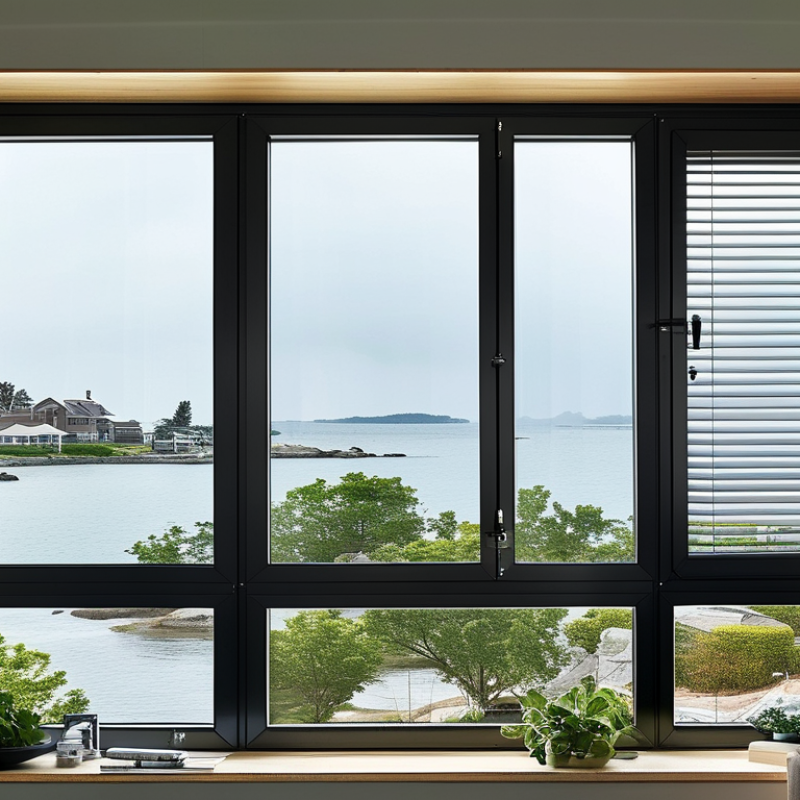
Aluminum Louver Window Basics and Key Design Features
Aluminum louver windows use angled blades to balance airflow, daylight, and privacy. The blades may be fixed or adjustable, depending on the room and climate. Fixed louvers suit utility spaces, while adjustable systems offer better daily control. Their open gaps can move warm air out, especially in kitchens, bathrooms, and tropical buildings.
The frame usually comes from corrosion-resistant aluminum profiles with a powder-coated or anodized surface. Look closely at blade thickness, frame depth, drainage paths, and operating hardware. These details affect durability more than appearance alone. A secure insect screen is valuable in warm regions. For coastal projects, request suitable corrosion testing and inspect coating coverage near joints. Thermal breaks can also reduce heat transfer through the frame.
A louver is not a perfect weather barrier. Heavy wind-driven rain may still enter through the blades, even with good detailing. I would check local wind-load and water-penetration requirements before selecting a model. Ask for tested performance data, installation drawings, and replacement-part information. Sample testing is wise, but one sample cannot represent every installation. Confirm the wall opening, sill slope, fasteners, and sealant compatibility on site. Small mistakes there can defeat a well-designed window. Cleaning should remain simple, with reachable blades and clear drainage outlets. Fancy mechanisms are not always better. Reliability often comes from fewer moving parts and careful installation.
Seven Top Aluminum Louver Window Options for Global Buyers
Global buyers often compare louver windows by airflow, weather control, and installation limits. The seven options below cover common project needs. Each uses an aluminum frame, but blade design changes performance. In my project reviews, small details mattered. Drainage holes, gasket quality, and hardware alignment often decided satisfaction. Local climate still matters more than attractive catalog photos. This is easy to forget.
A fixed louver window suits stairwells and service rooms needing steady ventilation. A manually operated model offers simple control and easier maintenance in remote buildings. A crank-operated option helps users adjust blades from inside, especially on tall walls. A top-hung louver design can shed light rain with correct flashing. A glass-and-louver combination balances daylight with ventilation in kitchens and offices. A security-focused model uses stronger blades and restricted opening angles. A thermally improved aluminum option supports comfort in hot or mixed climates, though testing remains essential.
For international purchasing, request alloy grade, blade thickness, finish standard, wind-load data, U-value, air leakage, water penetration, and sample drawings. Ask whether dimensions refer to the frame or clear opening. That confusion causes costly rework. Powder coating may perform well, but coastal sites need suitable pretreatment and maintenance. Certification should match the destination market, not merely the factory’s market. Compare warranty wording and spare-part access before price. A low quote can become expensive. No option fits every building, so a pilot installation remains the most reliable check.
Comparison of Materials, Ventilation, Security, and Energy Efficiency
7 Best Aluminum Louver Windows for Global Buyers
Choosing among seven aluminum louver window designs requires more than comparing appearance. Material thickness, blade shape, and frame depth affect durability. Powder-coated aluminum resists moisture, while anodized finishes handle strong sunlight well. Recycled aluminum can reduce environmental impact, but its quality depends on alloy control and manufacturing records. Ask for test reports, not attractive promises.
Ventilation is the main advantage of louver windows. Fixed blades provide steady airflow, while adjustable blades let occupants control wind and rain. Glass or acrylic blades can improve daylight, but aluminum blades usually offer stronger impact resistance. Narrow blades suit bathrooms and corridors. Wider blades move more air in kitchens or warm climates. I have found that a small opening angle often feels more comfortable than fully opened blades.
Security needs careful comparison. Lockable operators, restricted blade movement, and reinforced frames improve resistance against unwanted entry. Yet no louver window replaces a complete security system. Energy efficiency also depends on seals, glazing, installation, and local weather. Aluminum conducts heat quickly, so thermal breaks can reduce indoor temperature transfer. However, thermal performance may decline when installers leave gaps around the frame. This is easy to overlook. Buyers should compare verified U-values, air-leakage results, corrosion testing, and spare-part availability for their region.
International Buying Guide: Standards, Customization, Shipping, and Costs
7 Best Aluminum Louver Windows for Global Buyers
International buyers should compare performance, not only appearance. Ask for test reports covering air leakage, water penetration, wind resistance, and thermal performance. Requirements differ by climate and building type. Confirm local codes with a qualified consultant before ordering. A window suitable for coastal housing may need stronger corrosion protection than one used inland.
Customization affects both performance and cost. Specify frame depth, blade angle, glass type, insect screens, drainage details, color finish, and hardware material. Request technical drawings before production. Small changes can alter packing size and installation methods. Shipping quotes should state the trade term, port, insurance, pallet design, and estimated transit time. Wooden packaging may need approved treatment documents. Delays happen.
Tips: Compare at least three itemized quotations. Separate product cost, tooling, packaging, freight, duties, and installation. Ask how replacement parts will be supplied. Check sample corners and operating handles, not just photographs. A low price can hide thinner profiles or weak hardware. That is easy to miss. For large projects, calculate landed cost per installed window. I would also leave a reasonable contingency for exchange-rate changes and port delays. My earlier estimates have sometimes ignored local unloading fees, which can noticeably change the final budget. Supplier references, inspection records, and clear warranty terms provide stronger evidence than polished brochures.


