10 Tips for Choosing the Perfect Wainscoting Wall Panel for Your Home Decor?
Choosing the right wainscoting wall panel can transform your home's atmosphere. Interior designer Sarah Johnson states, "Wainscoting adds character and depth to any room." This simple upgrade can create elegance, warmth, and texture in your décor.
Color, style, and material matter significantly when selecting a wainscoting wall panel. The choices can feel overwhelming. Finding a perfect fit requires understanding your home’s overall design. Many rush this decision, leading to mismatched aesthetics. Remember, the key is to balance personal taste with functionality.
Consider the scale of your space. High ceilings may benefit from taller wainscoting. A small room might feel cramped with overly ornate designs. Think about how different styles can change your experience in each room. Reflect on how these panels affect both light and shadow. A good wainscoting wall panel can be the finishing touch or the foundational change your home needs.
Understanding Wainscoting: Types and Styles for Your Home
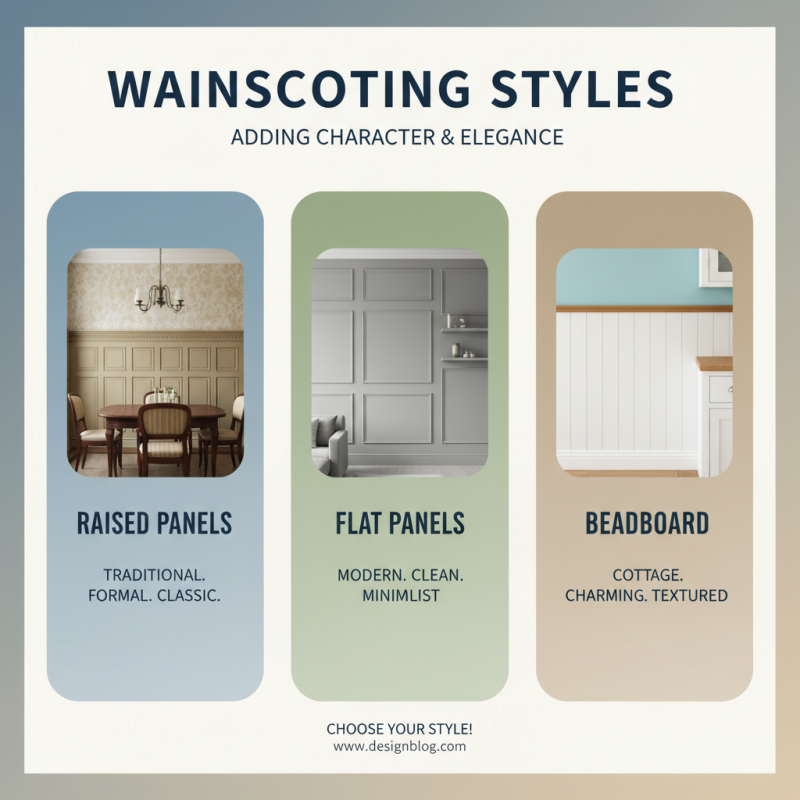
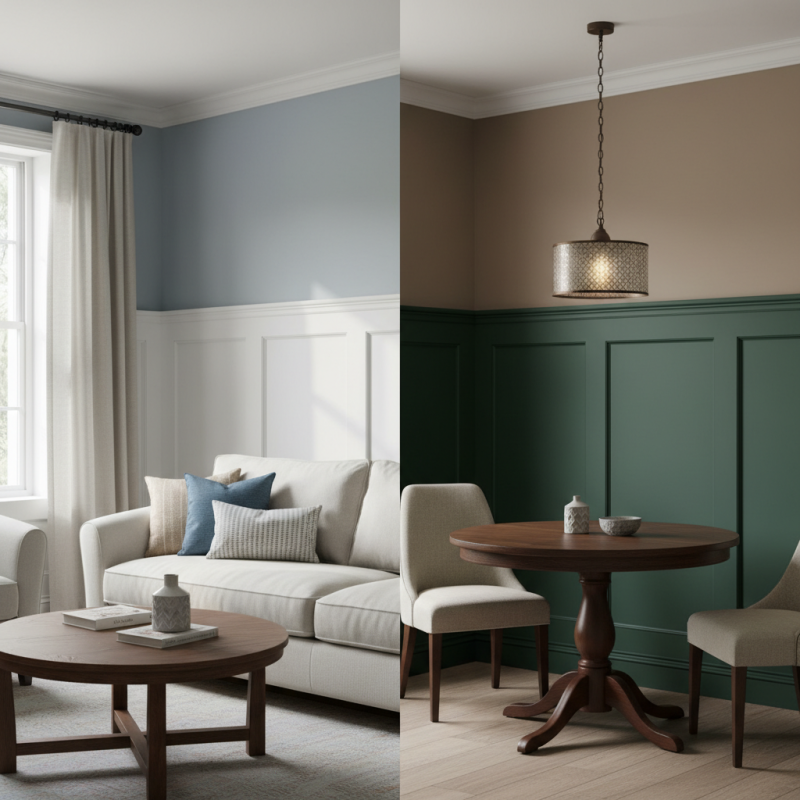
Wainscoting adds character and elegance to any room. There are many types and styles. The most common types include raised panel, flat panel, and beadboard. Each offers a unique look and feel. Raised panels often evoke a traditional aesthetic. Flat panels provide a clean, modern appearance. Beadboard gives a charming, cottage-like vibe.
When choosing wainscoting, consider the material. Wood is classic but requires maintenance. Medium-density fiberboard (MDF) is cost-effective and versatile. Vinyl is durable but may lack warmth. According to industry reports, around 50% of homeowners prefer wood for its authenticity. However, sustainability is a growing concern. More people are opting for MDF or eco-friendly options.
Style must match your decor. For example, if your space has a contemporary design, flat panels work best. However, they may feel too sterile in a rustic setting. Color choice also matters. Light colors can make a space feel larger. Dark hues can add depth but may overwhelm smaller rooms. Mistakes can happen, so don’t rush the decision. Take your time to reflect on what truly fits your home.
Assessing Your Space: Measuring and Planning for Wainscoting
When planning for wainscoting, start by assessing your space accurately. Use a measuring tape to calculate wall dimensions. This ensures the panels fit proportionately. According to the National Association of Home Builders, well-measured installations often lead to a 15% increase in home value. Precision matters.
Consider ceiling height and room size. A tall ceiling may suit vertical panels, while smaller rooms often benefit from horizontal designs. Measure doorways and windows too. Skipping this can cause awkward breaks in your design. Inconsistent panel heights can feel jarring, disrupting the room's flow.
You might wonder if the chosen style complements your decor. Research shows that cohesive designs enhance aesthetic appeal. It’s also useful to plan for the color scheme. Light colors can make a space feel larger, while dark hues add intimacy. Try to visualize the final result before starting. A well-planned approach fosters creativity, reducing the chances of costly mistakes.
Choosing the Right Material: Wood, PVC, or MDF?
When it comes to choosing wainscoting wall panels, the material is crucial. Wood is a classic choice, offering warmth and elegance. It provides varied textures and grains that can complement different styles. However, wood requires maintenance. It can warp or crack due to moisture. Consider your environment before choosing wood.
PVC is a modern alternative. Lightweight and water-resistant, it’s great for high-humidity areas. Installation is often easier as it can be cut and shaped easily. However, PVC might lack the natural beauty of wood. It can also appear less authentic. Then there's MDF, a composite material. MDF is budget-friendly and smooth, ready for paint. Yet, it’s not as durable as wood. Over time, it can break down, especially in damp conditions.
Every material has its pros and cons. Think about your lifestyle and preferences. A busy family might prefer PVC. A traditionalist might lean towards wood. Reflect on your home's atmosphere. Which material truly enhances it? Consider not just the aesthetics but also the long-term care and durability of your choice.
10 Tips for Choosing the Perfect Wainscoting Wall Panel for Your Home Decor
| Material |
Durability |
Cost |
Maintenance |
Aesthetic Appeal |
| Wood |
High |
$$$ |
Moderate |
Classic and Warm |
| PVC |
Moderate |
$$ |
Low |
Modern and Sleek |
| MDF |
Moderate |
$ |
Moderate |
Versatile and Smooth |
Color and Finish: Enhancing Your Decor with Wainscoting
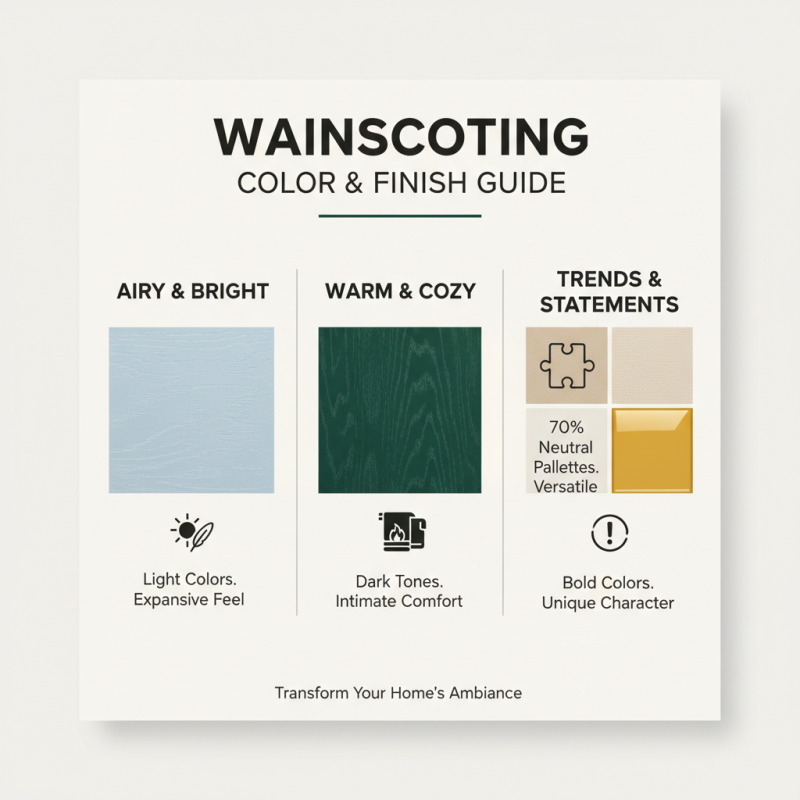
Choosing the right color and finish for your wainscoting can drastically alter your home's ambiance. Light colors can create an airy feeling. Darker tones, however, offer a sense of warmth and coziness. According to recent industry reports, nearly 70% of homeowners prefer neutral palettes, which can seamlessly blend with various decor styles. However, opting for bold colors can make a striking statement, drawing the eye and enhancing the room's character.
The finish of the wainscoting is equally vital. A glossy finish not only adds shine but also makes the surface easy to clean. On the other hand, a matte finish provides a soft, sophisticated look. Research indicates that 45% of people tend to shy away from high-gloss finishes due to maintenance concerns. It's important to reflect on your lifestyle before making a choice. Consider family activities and foot traffic in the area. Sometimes the most popular choices may not fit your unique needs. Silently questioning your options can often lead to deeper insights about what really works for you.
Professional Installation vs. DIY: What You Need to Know
When considering wainscoting wall panels, the choice between professional installation and DIY can be crucial. Statistics show that nearly 60% of homeowners opt for professionals. This often leads to a polished look and reduced installation time. A recent survey found that the average cost for hiring a professional ranges from $800 to $1,500, depending on the project size and complexity.
Professional installers bring expertise and reduce the risk of costly mistakes.
On the other hand, DIY enthusiasts can save money, but challenges may arise. There is a steep learning curve involved. Adequate preparation is key. Many DIYers underestimate the time required or the tools necessary for a successful installation.
Common pitfalls include misalignments and improper cutting, which can mar the final appearance. According to industry analyses, about 40% of DIY projects involving wainscoting result in issues needing repair.
Weighing both options carefully is essential before making a decision. What may seem like a saving could end up costing more in repairs.