What is Prefabricated Panels and How Are They Used?
In the realm of construction, the term "prefabricated panels" has gained significant attention. These panels are factory-made components used to construct buildings efficiently. Experts cite their quick assembly and reduced waste as major advantages. Dr. Emily Carter, a notable architect, once stated, "Prefabricated panels transform traditional building methods, allowing for faster and more sustainable construction."
Many industries are adopting prefabricated panels for their projects. They provide flexibility in design and reduce labor costs. However, the reliance on them opens discussions about quality control. Issues such as transportation methods and site integration can affect the overall building quality.
While prefabricated panels offer convenience, they may not suit every project's needs. Customization might be limited. It's essential for builders to weigh their options. Exploring these strengths and weaknesses is crucial for future developments. Understanding the balance is key in leveraging this innovative approach to construction.
Definition and Overview of Prefabricated Panels in Construction
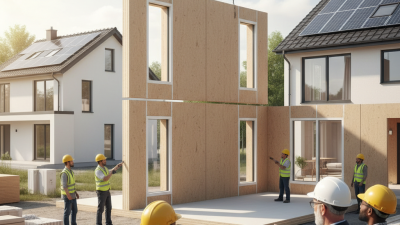
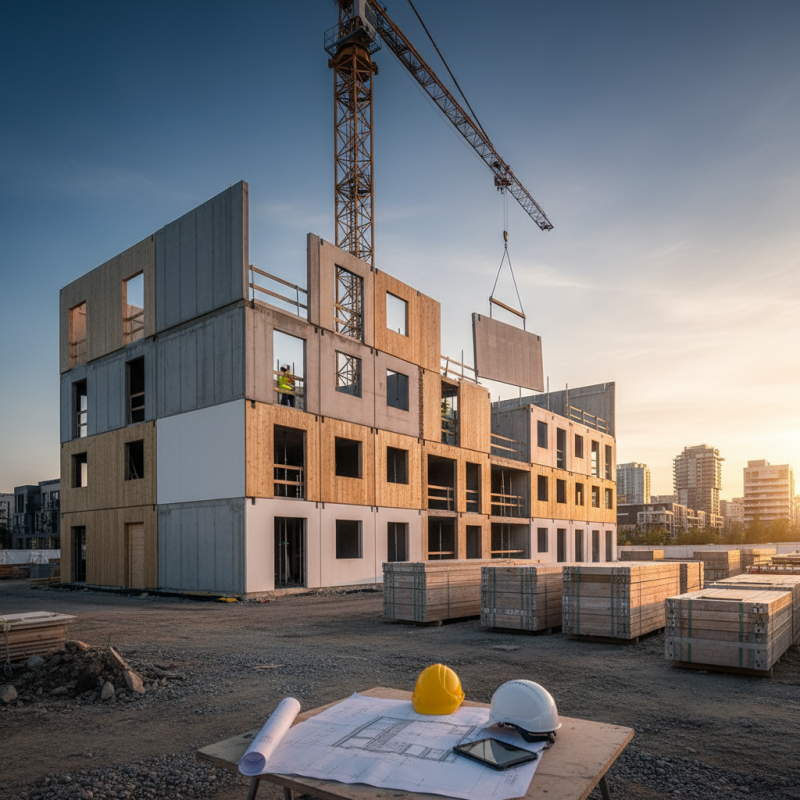
Prefabricated panels are components manufactured in a factory setting. They are produced before being transported to a construction site. This method streamlines the building process.
Prefabricated panels often include walls, floors, and roofs. These elements are designed to fit together seamlessly during assembly.
Construction with prefabricated panels can reduce time on-site. Assembly can be faster than traditional methods. However, challenges exist, such as transportation and logistics. Each panel must fit perfectly. If a panel is damaged during transport, it can cause delays. Quality control is crucial during manufacturing.
Using prefabricated panels offers flexibility in design. They can be customized to meet specific project needs. But the reliance on factory production can be a downside. Weather and site conditions might complicate installation. Furthermore, unique architectural designs can be hard to achieve with standard panel sizes. Adjustments are often necessary, leading to increased costs or time.
Benefits of Using Prefabricated Panels: Cost, Time, and Sustainability
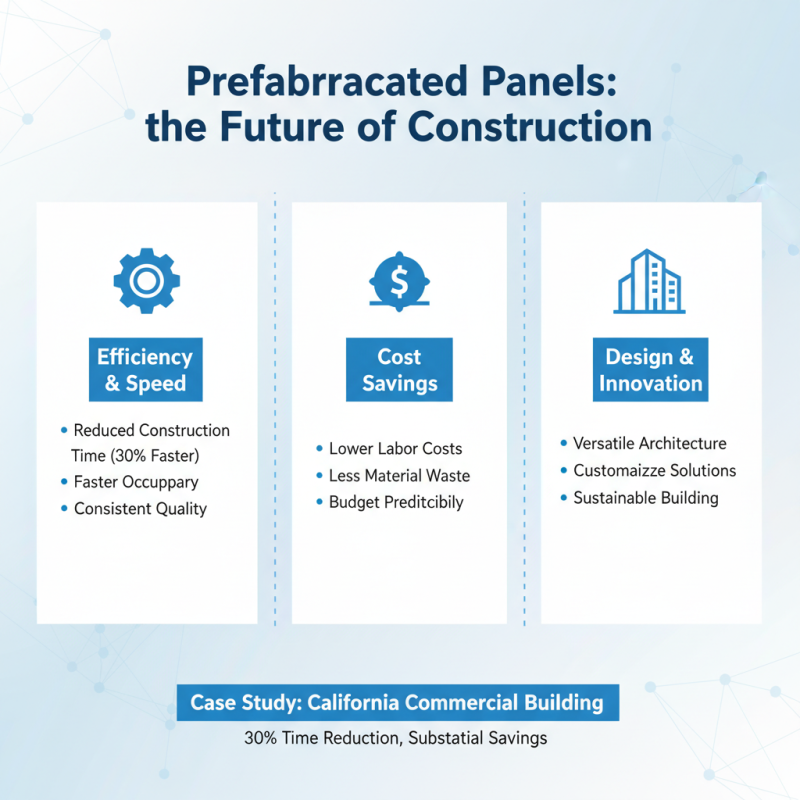
Prefabricated panels are gaining popularity in construction. They offer several benefits, especially in terms of cost. These panels are manufactured off-site, which reduces labor costs significantly. Fewer workers are needed on-site, leading to savings in payroll expenses. This can make projects more affordable for developers and homebuilders alike.
Time is another crucial factor. Prefabricated panels can be assembled quickly. This reduces the overall timeline of construction projects. With panels ready for installation, buildings can be completed in a fraction of the usual time. However, this speed can sometimes lead to oversights in quality control, requiring careful planning and inspection.
Sustainability is increasingly important in today's construction industry. Prefabricated panels typically generate less waste compared to traditional building methods. This is due to precise manufacturing techniques. However, there are concerns about the environmental impact of transport. Moving large panels to job sites can increase carbon footprints. Finding the right balance between efficiency and environmental responsibility is essential. It’s a complex issue that requires thoughtful consideration and innovative solutions.
Common Types of Prefabricated Panels and Their Applications
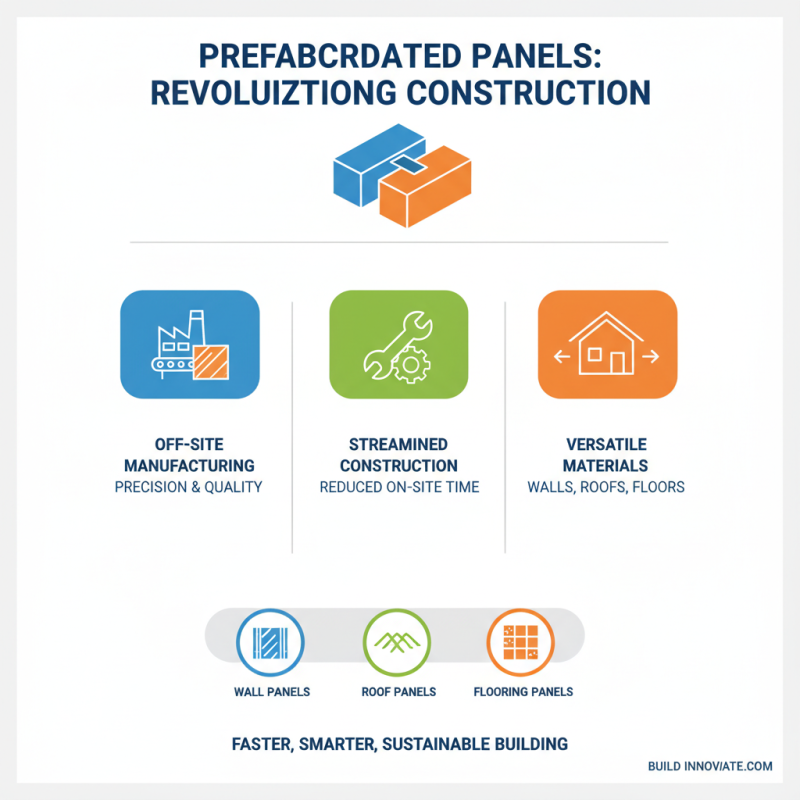
Prefabricated panels are innovative building materials that streamline construction. These panels are manufactured off-site, ensuring precision and quality. Common types include wall panels, roof panels, and flooring panels. Each type serves a unique purpose in construction projects.
Wall panels often consist of materials like wood, metal, or concrete. They provide structural support and insulation. Roof panels, on the other hand, are designed for strength and durability. They protect buildings from weather elements. Flooring panels can be designed for both structural integrity and aesthetic appeal.
The applications of these panels are diverse. For instance, they are widely used in residential buildings, commercial spaces, and temporary structures. However, challenges exist in transportation and installation. Panels must be carefully handled to avoid damage. Not all designs work seamlessly in every context. Awareness of local building codes is crucial. Each project demands thoughtful consideration of panel types and their proper use.
Market Trends and Growth Statistics for Prefabricated Panels Industry
The prefabricated panels industry has seen significant growth in recent years. This trend is driven by the need for faster construction methods. Builders are looking for efficiency. Prefabricated panels are favored for their quick assembly. They offer reduced construction timelines. This approach minimizes labor costs.
Market statistics indicate a robust expansion trajectory. The demand for sustainable building materials is on the rise. There is an increasing awareness of energy-efficient options. Prefabricated panels can meet these needs. They provide better thermal performance and lower waste. However, challenges remain.
Some concerns involve quality control during manufacturing. Not every factory maintains high standards. There are also issues related to transportation and storage. If panels are damaged before installation, it can lead to delays. These factors must be addressed for further growth. The balance between efficiency and quality is crucial for the industry's future.
Market Trends for Prefabricated Panels