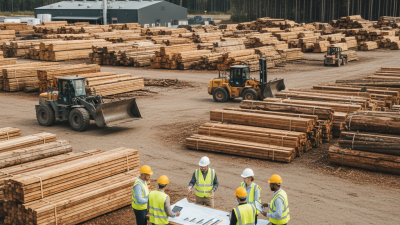
Why Choose Laminated Wood Beams for Your Construction Needs?
Laminated wood beams have become a popular choice in modern construction. These beams offer strength, durability, and aesthetic appeal. Industry expert Dr. Emily Carter states, “Laminated wood beams combine beauty with structural integrity.” This dual benefit makes them a preferred option for many architects and builders.
In today’s construction landscape, the demand for sustainable and efficient materials is growing. Laminated wood beams meet these criteria perfectly. They are made from layers of wood bonded together, which enhances their strength compared to traditional lumber. This innovation leads to fewer resources being wasted during construction. However, the industry must continue to improve and address challenges like moisture sensitivity.
While laminated wood beams are an excellent choice, they are not without drawbacks. Some may question their long-term performance compared to steel or concrete. It’s vital to recognize these limitations while celebrating their advantages. With ongoing technological advancements, laminated wood beams will likely continue to evolve, offering even more benefits for future projects.
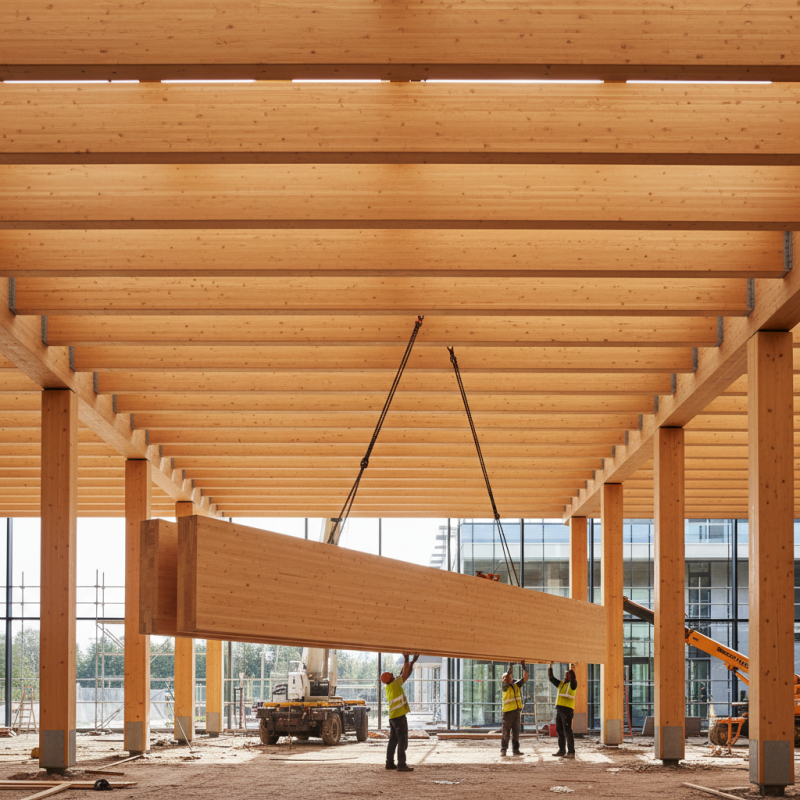
Advantages of Laminated Wood Beams in Construction
Laminated wood beams have gained popularity in construction. They offer several advantages that builders find appealing. One significant benefit is their strength. These beams are made by gluing together layers of wood. This process results in a beam that can support heavier loads than traditional solid timber.
Another advantage is stability. Unlike solid wood, laminated beams are less prone to warping or twisting. This quality can lead to fewer issues during the installation process. They work well in various climates, making them versatile for different construction projects. Some drawbacks do exist. For instance, the gluing process can affect the beam's appearance. The exposed sides may show glue lines, which may not be desirable for all applications.
Additionally, the initial costs may be higher compared to traditional wood. However, these costs can be offset by long-term performance and reduced maintenance. Laminated wood beams can help create beautiful, sturdy structures. Their advantages make them a worthy consideration for any builder. However, assessing specific project needs is essential before choosing them.
Why Choose Laminated Wood Beams for Your Construction Needs? - Advantages of Laminated Wood Beams in Construction
| Feature |
Description |
Advantages |
| Strength |
Laminated wood beams are engineered for high strength and load-bearing capabilities. |
Suitable for large spans and heavy loads, reducing the need for additional support. |
| Durability |
Manufactured to resist warping, splitting, and insect damage. |
Longer lifespan than traditional wood beams, ensuring lower maintenance costs. |
| Design Flexibility |
Available in various shapes and sizes to fit architectural requirements. |
Allows for creative and unique designs in modern construction. |
| Sustainability |
Made from renewable timber resources, promoting eco-friendliness. |
Contributes to sustainable building practices and reduces carbon footprint. |
| Aesthetic Appeal |
Natural wood grain and finishes can enhance the visual aspect of buildings. |
Provides warmth and beauty to architectural designs. |
Structural Performance and Load-Bearing Capacity of Laminated Beams
Laminated wood beams are popular in modern construction. They offer impressive structural performance. Their ability to bear heavy loads makes them a reliable choice. Constructed from layers of wood, they combine strength and flexibility. This unique design minimizes the risk of warping or cracking under pressure.
When it comes to load-bearing capacity, laminated beams excel. They can support more weight than traditional solid wood beams. This is crucial for large structures like bridges and commercial buildings. Their engineered nature allows for longer spans without support, enhancing architectural design options. However, it is important to ensure proper installation. If not done correctly, their benefits may not be fully realized.
Yet, some challenges remain. The production process can create inconsistencies in quality. This is an area worth monitoring. Additionally, improper maintenance can lead to degradation over time. Addressing these concerns early is essential for maximizing the lifespan of laminated wood beams. Balancing these factors contributes to their overall effectiveness in construction projects.
Structural Performance Comparison of Laminated Wood Beams
This chart compares the structural performance of laminated wood beams to solid wood beams across various strength categories, illustrating the advantages of using laminated wood in construction.
Sustainability and Environmental Benefits of Using Laminated Wood
Laminated wood beams offer numerous sustainability and environmental benefits. They are made from smaller pieces of wood that are bonded together. This method uses less high-quality timber, preserving larger trees for future generations. A study by the Forest Products Laboratory indicates that laminated beams can be produced using 40% less wood than traditional methods.
Using laminated wood can significantly reduce carbon footprints. Wood naturally sequesters carbon dioxide. A report from the U.S. Forest Service estimates that one cubic meter of wood can store about 0.9 tons of carbon dioxide. By opting for laminated wood, builders can help combat climate change while still ensuring structural strength.
Tips: When purchasing laminated wood, consider sourcing from certified suppliers. Check for sustainable forest management certifications. This ensures that the materials come from responsibly managed forests. Also, assess the durability of the beams. Buying high-quality laminated wood can save costs in the long run despite a higher initial investment. Always compare different options, as not all laminated wood is created equal.
Cost-Effectiveness Comparison: Laminated Wood vs. Traditional Materials
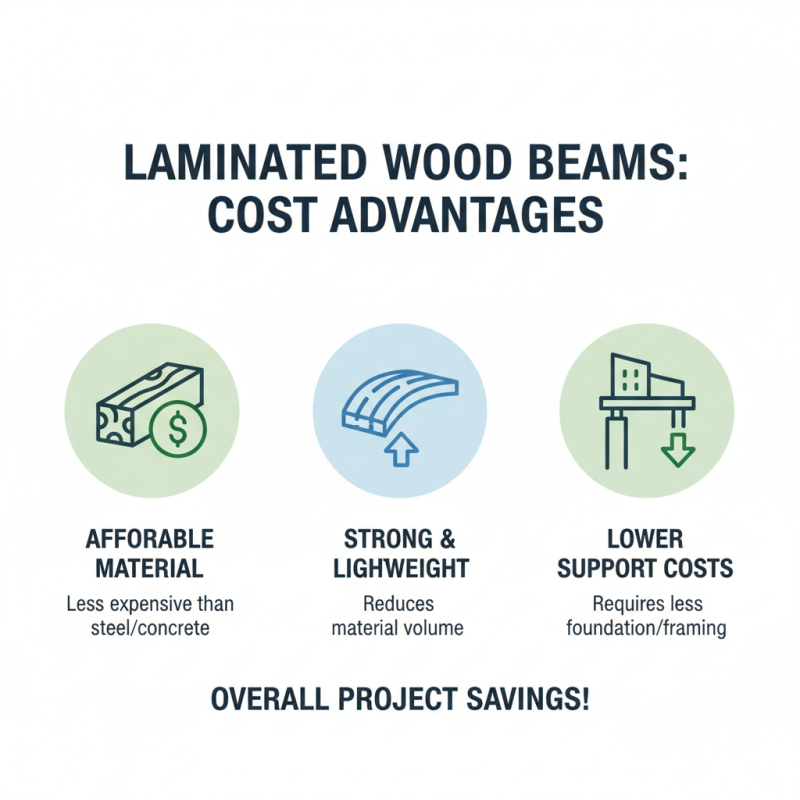
Laminated wood beams offer significant cost advantages over traditional materials like steel or concrete. These beams are engineered from layers of wood, making them both strong and lightweight. This reduces structural support costs, which can be a major expense in construction projects.
One key benefit of laminated wood is its versatility. It can be easily shaped to meet specific design needs. Additionally, transportation costs are often lower due to its lighter weight. However, it’s essential to consider potential moisture issues. In humid conditions, laminated wood requires proper treatment to prevent warping or decay.
While laminated wood beams are often more affordable, they may not always provide the same level of fire resistance as traditional materials. Builders need to weigh the pros and cons carefully. Investing in laminated wood can be wise, but it’s crucial to evaluate the specific requirements of each project. Not all situations are ideal for this material.
Design Flexibility and Aesthetic Appeal of Laminated Wood Beams
Laminated wood beams are becoming popular in modern architecture. They offer design flexibility that traditional materials often lack. These beams can be custom-tailored to meet various aesthetic preferences. Architects appreciate their ability to create open spaces and striking visual elements.
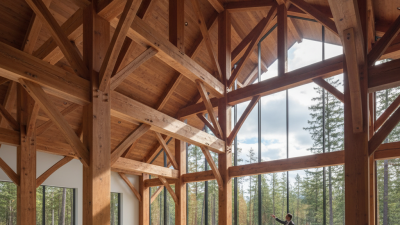
Consider an expansive living room. Laminated wood beams can support large spans with fewer columns. This allows for uninterrupted sightlines, enhancing the room's openness. The natural grain of the wood adds warmth and character to the space. There’s something unique about how light interacts with the texture of the wood. Using different finishes can further elevate the design appeal.
While laminated wood beams are versatile, they also come with challenges. Installation requires skilled labor for proper alignment. If not done correctly, the beams can warp over time. Engineers must account for the beams' weight and load distribution. These factors make careful planning essential. Embracing laminated wood beams means acknowledging both their beauty and potential pitfalls.