How to Install Pre Fab Walls for Faster Construction Efficiency?

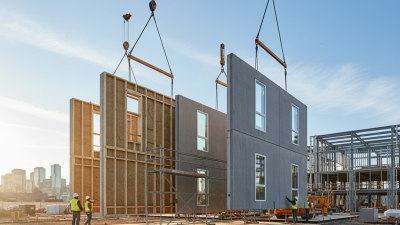
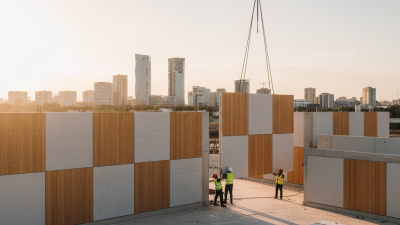
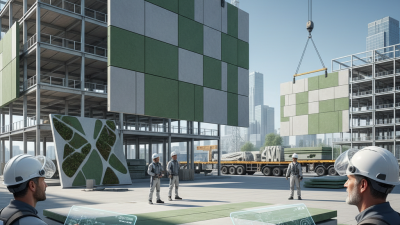
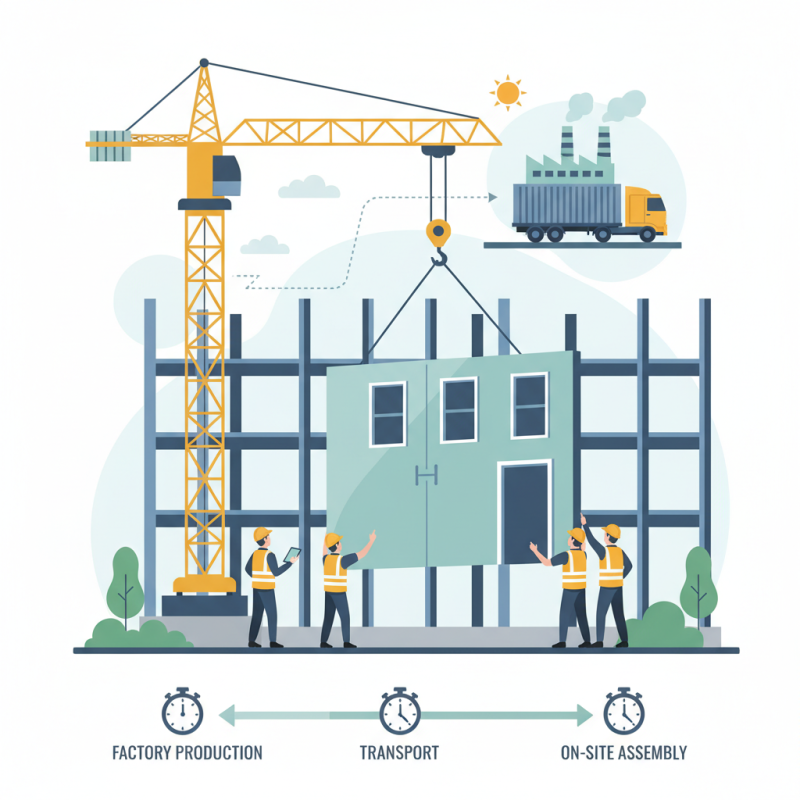
In modern construction, efficiency is paramount. The use of pre fab walls is a game changer. These walls are factory-built, allowing for quicker assembly on-site. This method can significantly cut down construction time and labor costs. Imagine a project that typically takes months to complete, now finishing in weeks.

Pre fab walls come with numerous advantages. They offer consistent quality since they are manufactured under controlled conditions. There’s less waste, as pieces fit together better. Yet, challenges remain. Transporting large wall sections requires careful planning. Any miscalculations can lead to costly delays.

As we explore the installation of pre fab walls, we must reflect on best practices and potential pitfalls. Not every project may be suited for this method. Understanding how to properly integrate these walls into traditional builds is crucial. With thoughtful execution, pre fab walls can transform the landscape of construction.
How to Install Pre Fab Walls for Faster Construction Efficiency?

Understanding Pre Fab Walls and Their Benefits in Construction

Prefabricated walls, or pre fab walls, offer a unique solution in modern construction. These walls are built off-site, ensuring higher quality control. Less material waste occurs with this method. Workers spend less time on-site, boosting overall efficiency. The result is a streamlined process, saving both time and money.

One significant advantage of pre fab walls is their versatility. They can be customized for various architectural designs. Different materials can be used to meet specific project needs. However, it’s essential to consider local building codes. Not all prefabricated solutions fit every environment. This often requires planning and adjustments, which can complicate construction.

Team collaboration plays a crucial role in using pre fab walls effectively. Workers must communicate well throughout the process. Misunderstandings can lead to mistakes, impacting final outcomes. The efficiency gained might create a false sense of confidence. Careful execution and reflection on the process are vital to truly benefit from this innovative method.
Construction Efficiency Improvement with Pre Fab Walls

Preparing the Site for Pre Fab Wall Installation

How to Install Pre Fab Walls for Faster Construction Efficiency?

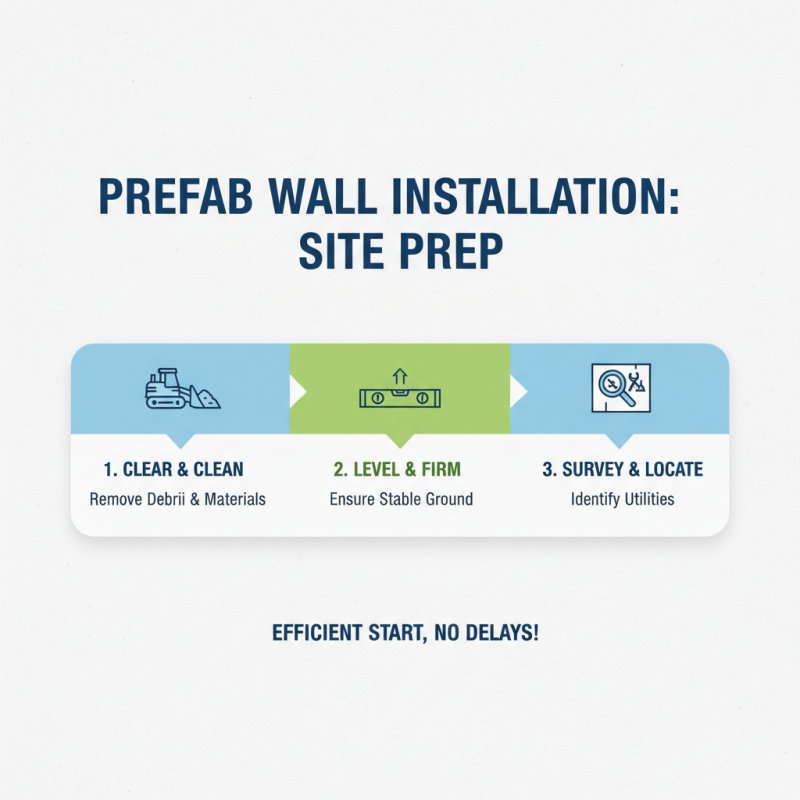
Preparing the site for prefab wall installation is crucial for efficient construction. Clear the area of debris and unnecessary materials. Ensure the ground is level and firm. This step prevents complications later. Survey the land before starting. Look for any hidden utilities. They can delay your project and increase costs.

Mark the locations for walls accurately. Use stakes and strings to visualize the layout. Verify measurements several times. Small errors can lead to bigger issues down the line. Ensure proper access for heavy equipment. You might face unexpected challenges if space is limited.

Consider weather conditions. Rain or high winds can disrupt the installation. Plan accordingly to avoid delays. Also, involve your team in the preparation process. They might provide valuable insights. Reflect on past projects and learn from any mistakes. Each site is unique, so adapt your plans accordingly.

Steps to Properly Measure and Align Pre Fab Walls

When installing pre fab walls, proper measurement and alignment are crucial. Begin by assessing the foundation. Ensure it is level. A slight deviation can lead to larger issues later. Use a measuring tape to confirm dimensions. It's essential to check each section's height and width. Small errors can compound quickly.

Tips: Mark all measurements clearly. This avoids confusion during installation. Utilize a chalk line for straight cuts. This simple tool can save time and effort.

Next, align the walls. Position them according to the layout plan. It's often easier with an extra set of hands. Again, check for level. A bubble level can help here. Ensure the corners form a perfect 90 degrees. Misalignment at this stage may require rework later.

Tips: Use temporary braces to hold walls in place. This will provide extra support as you work. Don’t rush; take time to double-check alignment. Avoid overlooking seemingly minor details. These can impact overall stability.

Techniques for Securing Pre Fab Walls in Place

How to Install Pre Fab Walls for Faster Construction Efficiency?

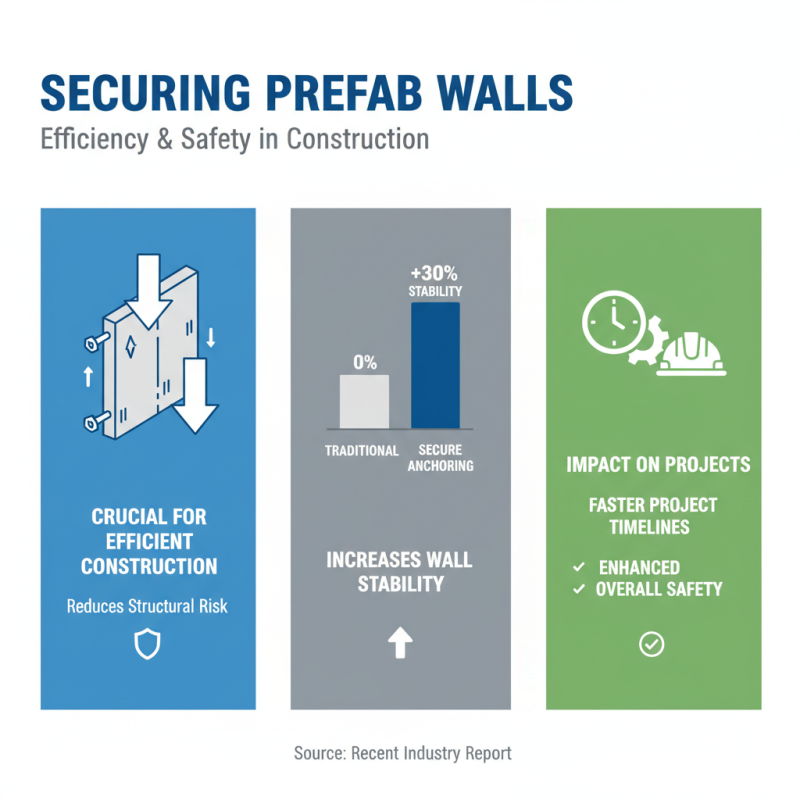
Securing prefab walls is crucial for efficient construction. Studies show that using secure anchoring methods can reduce structural risk. According to a recent report, effective anchoring increases wall stability by up to 30%. This can significantly impact project timelines and overall safety.

One recommended technique is to employ adjustable braces. These braces allow for easy alignment and can be fine-tuned as needed. Proper positioning of the walls ensures a solid foundation. Additionally, using advanced materials can further enhance stability but requires skilled labor for installation.

It’s essential to assess existing conditions before installation. Uneven ground or unexpected elements can complicate the process. Contractors often overlook minor details, which can lead to greater challenges later. Emphasizing training for workers in securing methods could minimize such issues. Estimated data shows that better training reduces mistakes by nearly 20%.

Addressing Common Challenges in Pre Fab Wall Installation

Installing pre-fabricated walls can accelerate construction efficiency significantly. However, this process is not without its challenges. One common issue is alignment. If panels are not perfectly aligned at installation, it can lead to gaps and structural issues. Ensure you have proper tools and trained personnel on site for this task. Misalignment can cause delays and additional costs.


Another challenge is transport. Shipping these walls can lead to damage if not done correctly. Cracks or dents may appear during transit. Therefore, using protective packaging and ensuring proper handling is essential. Additionally, weather can impact installation timelines. Rain can delay outdoor work, while extreme heat can affect materials. Always have a backup plan when scheduling installations.


Lastly, site preparation is crucial. Uneven surfaces can complicate the installation process. Take time to survey the site before installation begins. Addressing potential problems early can save time and reduce frustration. Mistakes can happen, and they should be viewed as learning opportunities. Analyze what went wrong and adjust your methods for future projects.

Go to Top