What is Flat Panel Wainscoting and How to Use It?
Flat panel wainscoting has gained popularity in interior design for its sleek and modern appearance. According to the National Kitchen & Bath Association, this design technique enhances the aesthetic value of spaces. When used, flat panel wainscoting can significantly alter a room's style, transforming it from ordinary to extraordinary. It often serves functional purposes as well, helping with wall protection and sound absorption.
In recent years, homeowners have embraced flat panel wainscoting as a means to personalize their environments. Data from the American Institute of Architects shows that interior finish selections, including wainscoting, were influential in residential renovations. This trend reflects a growing desire for customized living spaces that combine practicality with style.
However, practical challenges can arise with flat panel wainscoting. Installation requires precision and skill, which can be daunting for DIY enthusiasts. Budget considerations also play a crucial role in its adoption. Not every homeowner is ready to invest in this elegant option. Flat panel wainscoting can enhance a home, but careful planning is essential for achieving the desired outcome.
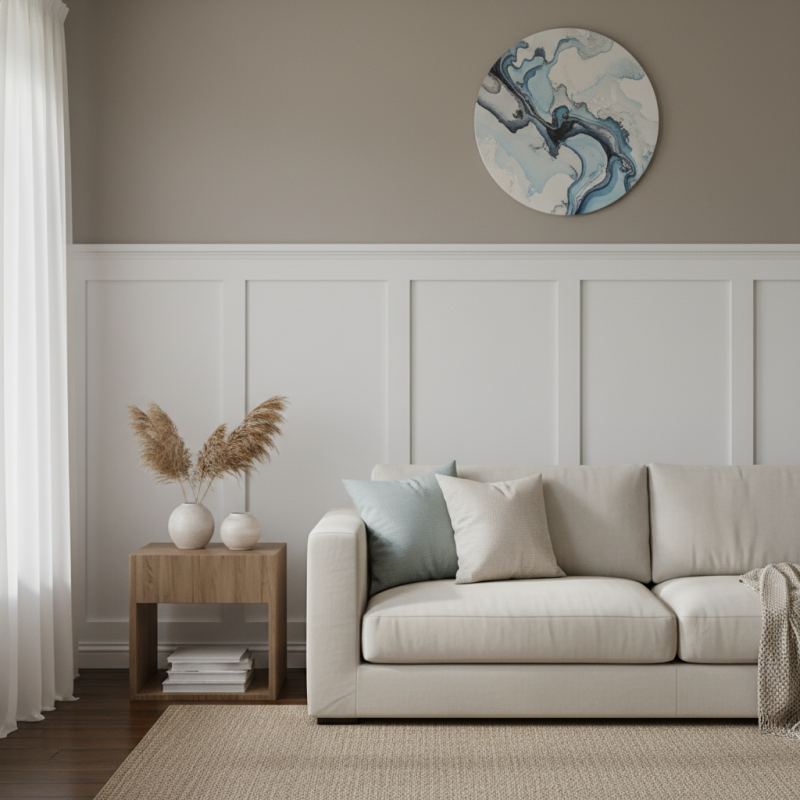
What is Flat Panel Wainscoting?
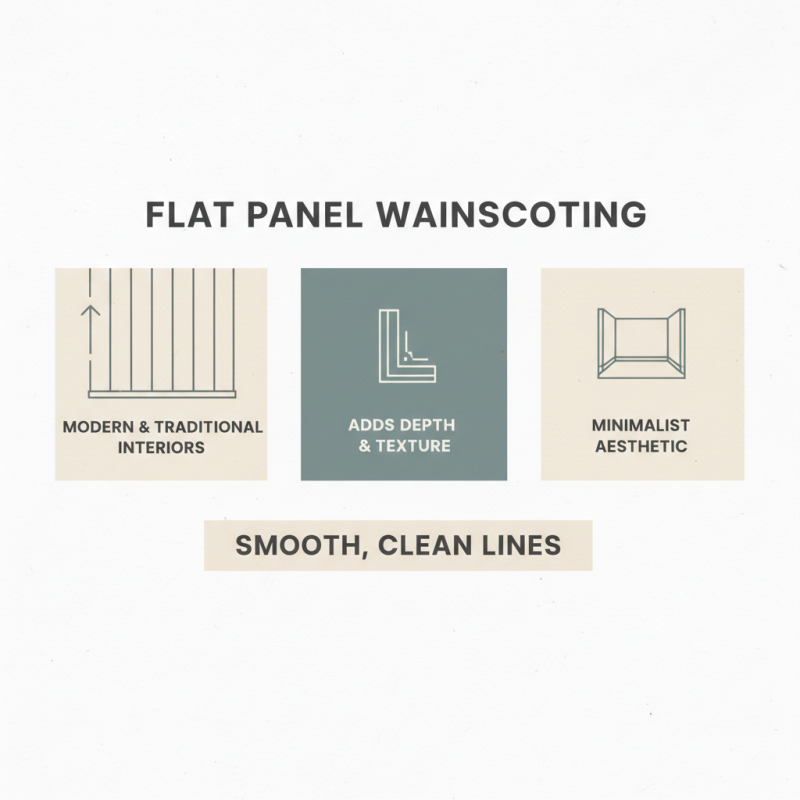
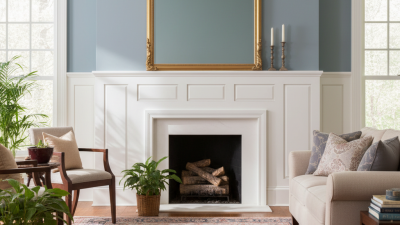
Flat panel wainscoting is a popular design choice. It features flat boards that create a smooth surface on walls. Many people appreciate its minimalist aesthetic. This style adds depth without overwhelming a space. It can enhance both modern and traditional interiors.
Incorporating flat panel wainscoting can be tricky. Choosing the right depth is essential. Panels too deep may dominate a room, while shallow ones may feel incomplete. Consider the height of your ceilings and the overall design theme. Room dimensions play a crucial role in the outcome.
Installation requires some skill. Even small errors can lead to noticeable gaps. Take your time measuring and cutting each piece. A sloppy alignment can undermine the whole look. Remember that paint color can dramatically change the perception of wainscoting. Test different shades before committing.
Historical Background of Wainscoting Styles
Wainscoting has a rich history in interior design. It originated in the 16th century in England. Initially, it served practical purposes. Homeowners used it to insulate walls and protect from moisture. As time passed, it transformed into a decorative element. By the 18th century, wainscoting became a symbol of wealth and sophistication. It adorned the homes of the affluent.
Today, various styles of wainscoting exist. From classic raised panels to sleek flat panels, each reflects different historical influences. According to the National Association of Home Builders, wainscoting adds value to homes, increasing their market appeal. However, many homeowners struggle to choose the right style for their space. There's often a gap between intent and execution. Choosing the wrong height or color can lead to a disjointed look.
Modern styles, like flat panel wainscoting, offer versatility. They work well in both contemporary and traditional settings. People frequently overlook how wainscoting affects room proportions. Improper installation can lead to a boxed-in feel. Despite these challenges, skilled design can enhance the aesthetics of any room. Many resource guides recommend careful planning to avoid common pitfalls. Assessing the room’s dimensions is vital in making informed choices.
Benefits of Using Flat Panel Wainscoting
Flat panel wainscoting is a stylish choice for interior design. It adds character to any room, enhancing the overall aesthetic. This type of wainscoting features flat panels, which can create a modern or traditional vibe. Using flat panel wainscoting can transform your space. It’s not just about looks; it has practical benefits too.
One major benefit is protection for your walls. It shields against scuffs and dents. The durable material makes it easy to clean. This is especially important in high-traffic areas. It’s also great in dining rooms or hallways. The wainscoting adds a layer of texture, making spaces feel more inviting. Plus, it can hide imperfections in the walls.
Tips: Consider painting the wainscoting in a bold color. This can elevate the room design. Don’t forget about lighting—strategic placement highlights the wainscoting beautifully. Remember, installation might require correcting uneven floors. Plan carefully to avoid surprises. Flat panel wainscoting offers a chance to showcase your style while protecting your home. It requires thought to balance aesthetics and function.
Benefits of Using Flat Panel Wainscoting
How to Install Flat Panel Wainscoting: A Step-by-Step Guide
Installing flat panel wainscoting can elevate any room's aesthetic. The process may seem daunting, but with the right steps, it can be manageable. Begin by measuring the walls you want to cover. Mark the height for your wainscoting. It’s usually around 32 to 36 inches from the floor. This will provide a guideline for cutting the panels.
Next, you'll need to cut the flat panels to size. A miter saw works best for clean edges. Align the panels and use a level to ensure they sit straight. Be mindful of any irregularities in your walls that might affect the installation. It’s not uncommon to find small bumps or dips during this process. These imperfections can lead to gaps if not addressed.
Once the panels are fitted, use a nail gun to secure them in place. Fill any nail holes with wood filler and sand the surface smoothly. Don't rush this step; it can determine the final look. You might need to repaint or touch up after everything dries. Installation is complete when you're satisfied with the fit and finish. Remember, it’s okay if it’s not perfect. Perfection can lead to frustration. Embrace the character that small flaws can bring to your space.
Design Ideas and Color Schemes for Flat Panel Wainscoting
Flat panel wainscoting adds elegance to rooms. Its sleek design suits various home styles. Popular colors include soft whites, deep grays, and muted pastels. According to a Home Design Trends report, wainscoting can increase home value by up to 10%. It creates a polished look without overwhelming the space.
Integrating flat panel wainscoting into a design scheme requires thought. For small rooms, lighter colors can open up the space. Darker shades can create a cozy atmosphere. Consider the overall theme of your home before choosing a color. Using a monochromatic palette can make the wainscoting a subtle accent. Pair it with contrasting trim for a striking effect.
Tips: Keep the wainscoting height in proportion to the room size. Too high wainscoting can make ceilings feel lower. Adding a personal touch with artwork or decorative molding enhances the overall design. Reflect on your choices and ensure they align with your vision for the space. Sometimes, simplicity speaks the loudest.
What is Flat Panel Wainscoting and How to Use It? - Design Ideas and Color Schemes for Flat Panel Wainscoting
| Design Idea |
Color Scheme |
Material |
Room Type |
| Classic White Flat Panel |
White and Light Gray |
MDF (Medium Density Fiberboard) |
Living Room |
| Nautical Theme |
Navy Blue and White |
Plywood |
Bathroom |
| Modern Minimalist |
Charcoal Gray |
Wood Veneer |
Dining Room |
| Farmhouse Style |
Soft Beige and Cream |
Reclaimed Wood |
Kitchen |
| Elegant Touch |
Rich Burgundy and Gold |
MDF with Decorative Moldings |
Hallway |