10 Essential Tips for Choosing Prefab Wall Systems for Your Next Project?
In recent years, the construction industry has seen a significant shift towards prefab wall systems. Research indicates that using prefab systems can reduce on-site construction time by 30% to 50%. This efficiency is crucial as labor shortages remain a challenge in many regions. Prefab wall systems offer a practical solution, allowing for faster project completion and minimized waste.
Choosing the right prefab wall systems is essential. Factors to consider include material quality, insulation performance, and assembly ease. A detailed understanding of the project's requirements helps ensure the selected systems meet both functional and aesthetic goals. However, some builders overlook the nuances of customization and scalability, which can lead to future complications in project execution.
With an array of options available, navigating the market can be overwhelming. Industry data shows that nearly 70% of builders express confusion when selecting prefab solutions. Investing time in research and aligning choices with project goals is vital. Thoughtful consideration can lead to lasting benefits, but rushing decisions may result in setbacks. Engaging with experienced suppliers can also provide valuable insights into the best choices for your next project.
Understanding Prefab Wall Systems: An Overview of Types and Benefits
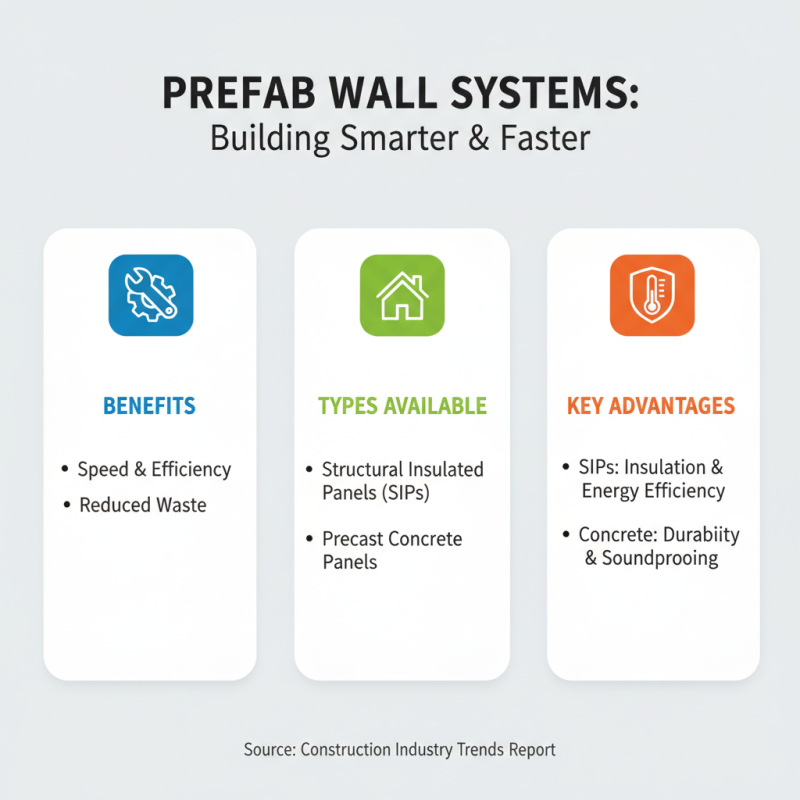
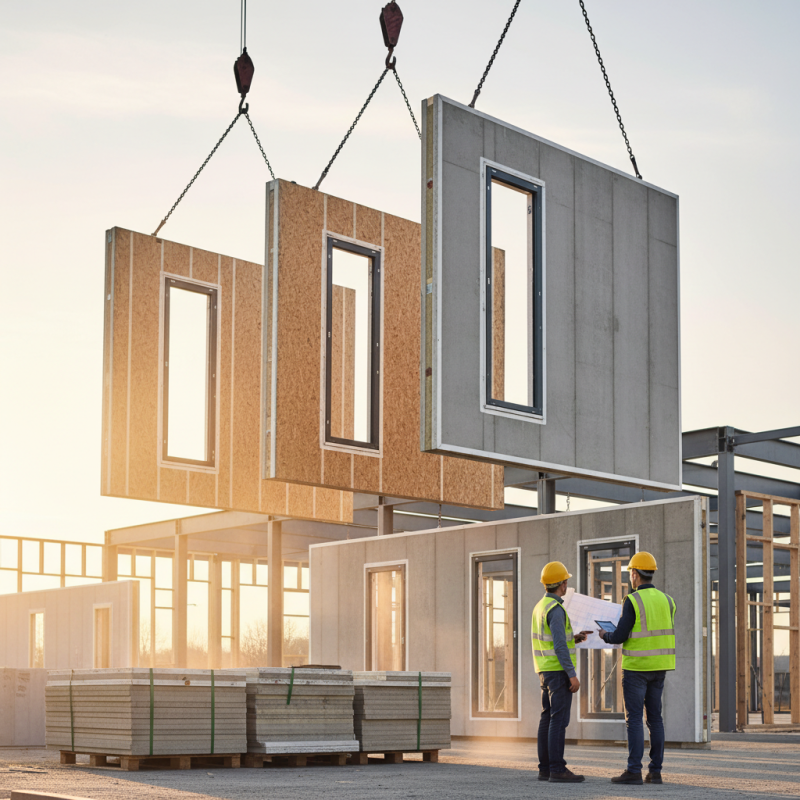
Prefab wall systems are gaining traction in the construction industry. They offer a range of benefits, such as speed and efficiency. Various types are available, including structural insulated panels (SIPs) and concrete panels. Each option serves different needs and project specifications. Some may prefer SIPs for their insulation properties. Others might opt for concrete for durability.
When selecting a prefab wall system, think about your budget and timeline. It’s crucial to consider the building's purpose. For residential projects, aesthetic appeal is key. Commercial buildings may prioritize longevity. Misunderstanding material capabilities can lead to overspending or project delays.
Often, the choice comes down to insulation and fire resistance. Many overlook these essential factors initially. Choosing the right system can impact energy costs in the long term. Make sure to analyze the project’s climate, as it plays a crucial role in your decision. Remember to consult with experienced professionals in the field. Their insights can highlight potential pitfalls in your selection process.
Assessing Project Requirements: Key Factors Influencing Wall System Choice
When choosing prefab wall systems, project requirements are crucial. Understanding the specific needs of your project can significantly influence the wall system choice. According to a recent industry report, prefabricated walls can reduce construction time by up to 30%. This makes them an attractive option for many projects.
A key factor is the climate in which the building will exist. Different wall systems offer varied insulation properties. For example, in colder regions, a wall system with superior thermal resistance is essential. This can lead to lower energy costs and increased comfort.
Tip: Evaluate your project's energy efficiency needs. This can inform whether to choose insulated concrete forms or panelized systems. Assess the intended use of the structure as well. Spaces with high humidity levels require different considerations than commercial areas.
Another detail to address is the architectural design. Some prefab systems may limit design flexibility. This can pose challenges if creative architectural features are needed. It's essential to balance design aspirations with practical construction techniques.
Comparison of Key Factors Influencing Prefab Wall System Choice
Evaluating Material Options: Wood, Steel, and Concrete Considerations
When selecting prefab wall systems, evaluating material options is crucial. Wood, steel, and concrete each bring unique strengths and weaknesses. Wood walls offer excellent insulation and aesthetic appeal. However, they may require regular maintenance to avoid issues like rot. Consider if the project is in a humid area. For durable structures, steel is a fine choice. Steel provides high strength and resistance to pests. Beware, it can be more expensive and may require special insulation to combat heat loss.
Concrete is robust and fire-resistant, making it a popular option. It performs well in adverse weather. Yet, the weight of concrete can complicate transportation and installation. Think about your project's specific requirements.
Tip: Assess local climate conditions before choosing materials. Also, consult with professionals who have hands-on experience. They can provide insights that online resources may overlook. Don’t rush this decision; it impacts the overall quality and sustainability of your project. Lastly, prioritize cost-effectiveness without sacrificing quality. Engaging in detailed discussions about your options can reveal flaws in initial assumptions.
10 Essential Tips for Choosing Prefab Wall Systems for Your Next Project
| Material Type |
Weight (lbs/sq ft) |
Thermal Insulation (R-value) |
Cost per sq ft ($) |
Durability Rating (Years) |
| Wood |
3.0 |
15 |
10 |
30 |
| Steel |
5.0 |
10 |
15 |
50 |
| Concrete |
8.0 |
5 |
20 |
75 |
Cost Analysis: Budgeting for Prefab Wall Systems in Construction Projects
When considering prefab wall systems, budget plays a crucial role. Costs can vary significantly based on materials, labor, and design. Implementing prefab walls can reduce on-site labor expenses, but it’s essential to account for logistics and transportation costs as well. For instance, large wall panels may incur higher shipping fees, especially if they require special handling.
Moreover, estimating the overall budget also involves assessing the long-term benefits of prefab systems. While the initial investment may seem high, these walls often boast durability and energy efficiency. Analyzing lifecycle costs can reveal potential savings. However, it’s vital to remain cautious; overestimating potential savings can lead to financial strain. Be prepared for unexpected costs arising from installation challenges or design modifications.
It's advisable to conduct thorough research. Gather quotes from multiple manufacturers and understand what factors influence pricing. Transparency in costs is essential for successful budgeting. Investing time in understanding these aspects can pay off later. Planning for contingencies may avoid juggling funds unexpectedly. Ultimately, prefabricated walls can be a cost-effective choice, but careful financial planning is necessary to manage the project's budget effectively.
Selecting Reputable Suppliers: Tips for Finding Quality Prefab Manufacturers
Finding quality prefab wall systems starts with selecting reputable suppliers. It’s essential to research companies that have a proven track record. Look for suppliers that offer transparency in their processes. Check online reviews and ask for references. Talk to other professionals in the industry. They can provide insights into reliable manufacturers.
Visit local construction shows and trade fairs. This is a good way to meet potential suppliers face-to-face. You can inspect their products firsthand. Pay attention to the materials used. Superior quality can make a significant difference. Engage in conversations about their production methods. Ask questions. Get a sense of their knowledge and experience. Be wary of suppliers that avoid direct answers.
It's also wise to review their certifications and quality assurance processes. A reputable supplier often has rigorous testing for their materials. If a supplier downplays this, it’s a red flag. Inspecting their facilities could be beneficial too. Look for signs of goodwill, like sustainability practices. You deserve a partner that prioritizes quality and ethics in manufacturing. This choice can impact your project's success significantly.