2026 How to Choose Wood Wainscoting Panels for Your Home?
Choosing wood wainscoting panels can transform a room. Experts agree that style and function matter. James Walker, a renowned interior designer, once stated, "Wood wainscoting panels add character to any space."
When selecting the right panels, consider your home's aesthetic. Different types of wood bring unique textures and colors. Oak offers warmth, while pine provides a rustic feel. It's vital to match the panel's finish with your home’s décor to create a cohesive look.
Many homeowners overlook the importance of quality in their choice. Low-quality panels can warp and fade over time. Investing in durable wood enhances long-term value. Reflect on your lifestyle needs; some woods require more maintenance than others. The right wood wainscoting panels can elevate your home, but the decision requires careful thought.
Understanding Wainscoting: Definition and Purpose in Home Design
Wainscoting adds texture and charm to home interiors. It refers to decorative paneling that lines the lower portion of walls. Often made of wood, wainscoting serves both aesthetic and practical purposes. Visually, it can elevate a room’s character, giving it a more polished look.
Practically, wainscoting can protect walls from scuffs and damage. High-traffic areas, like hallways, benefit from this feature. However, choosing the right wainscoting is not always straightforward. There are various styles to consider—raised panel, beadboard, or flat panel. Each style carries a distinct feel.
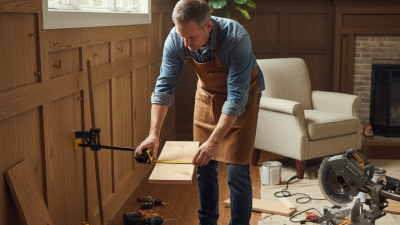
Installation can be tricky. It requires accurate measurements and precise cuts. Mistakes may lead to uneven panels and gaps. Always consider your home’s overall design theme when selecting wainscoting. Balancing style and functionality is crucial. Personal taste plays a significant role in these choices.
Types of Wood Wainscoting Panels: An Overview of Options Available
When selecting wood wainscoting panels for your home, understanding the different types available is crucial. Options vary widely. Popular choices include beadboard, shiplap, and raised panel. Beadboard offers a classic, cottage-style look. It adds charm to any space, especially kitchens and bathrooms. Shiplap provides a rustic feel and fits beautifully in modern farmhouse designs. Raised panels offer a more formal appearance, often used in dining rooms and libraries.
Consider wood species as well. Oak, pine, and maple are common. Oak is durable and has prominent grain patterns. Pine is softer and more affordable, perfect for DIY projects. Maple has a smooth texture and works well in contemporary spaces. Each type contributes to the overall aesthetic.
Quality matters. Not all panels offer the same longevity. Cheap options might warp or fade over time. Pay attention to finishes, too. Stained or painted panels change the look significantly. Remember to think about the installation process. Some panels require more skill and tools than others. Reflect on your space and style. Choose wisely to avoid dissatisfaction later.
2026 How to Choose Wood Wainscoting Panels for Your Home?
This chart illustrates the types of wood wainscoting panels and their popularity based on user preferences.
Factors to Consider When Choosing Wood Wainscoting Panels
When selecting wood wainscoting panels, several key factors come into play. The type of wood is crucial. Different species provide unique grains, colors, and textures. For example, oak offers a robust look, while pine exudes warmth. Each choice can dramatically impact room aesthetics. Consider your home’s existing decor. A mismatched panel can disrupt harmony.
The panel thickness is another element to reflect on. Thicker panels often feel more substantial and durable. However, they can also appear bulkier in certain spaces. It's essential to find a balance that suits your style without overwhelming the room. Additionally, pay attention to the finish. A matte finish can soften a room, while gloss adds shine.
Installation is often overlooked. Simple DIY projects can turn complicated without the right tools and skills. Ensure you understand your capabilities. Proper measurement is vital for a seamless fit. Mismatched panels can lead to frustration. Understanding the room’s layout helps in making informed decisions. Take your time and choose wisely. It’s about creating a space that resonates with you.
Tips for Selecting the Right Wood Species for Your Wainscoting
Choosing the right wood species for your wainscoting can significantly impact the overall look of your home. Different woods have unique characteristics that can suit various aesthetics and functional needs. Consider the ambiance you want to create. For a traditional feel, oak or maple might be ideal. If you prefer a more modern look, something like cherry or walnut could work. Each wood species has distinct grain patterns and colors, making your choice crucial in defining your space.
When selecting wood, it's important to think about durability and maintenance. Some woods are more resistant to wear and tear. For instance, hard maple is tough and can resist dents. Meanwhile, softer woods like pine may show scratches more easily but can be visually appealing in rustic settings. Also, consider the finish. Different types of finishes can enhance the woods' natural beauty or even change their appearance dramatically.
Think about your style, the room's purpose, and how much wear the wainscoting will endure. Does it need to withstand kids' playful activities? Or will it mostly be in a low-traffic area? These reflections can help you make a more informed choice while ensuring your wainscoting maintains its charm over time. Select thoughtfully, and your wood wainscoting will not only beautify your home but also tell a story.
Installation and Maintenance of Wood Wainscoting Panels in Your Home
Installing wood wainscoting panels can elevate the aesthetic of any room. However, maintenance is crucial for longevity. Research shows that improperly maintained wood can lead to warping and discoloration. Regular cleaning with a gentle cleanser is essential. This ensures dust and grime do not degrade the panels over time.
Humidity levels significantly affect wood wainscoting. A study found that maintaining indoor humidity between 30-50% can prevent wood from swelling or shrinking. Additionally, applying a clear sealant every few years protects the wood from moisture damage. Be attentive to the edges, where moisture is most likely to penetrate.
While wood wainscoting offers an elegant touch, it requires thoughtful care. Improper installation can result in gaps that collect dirt and become breeding grounds for mold. A focus on precision during installation is vital. Regular inspections for signs of wear and tear can also help in addressing issues before they escalate.