2026 Top Innovations in Glue Laminated Beam Design and Applications?
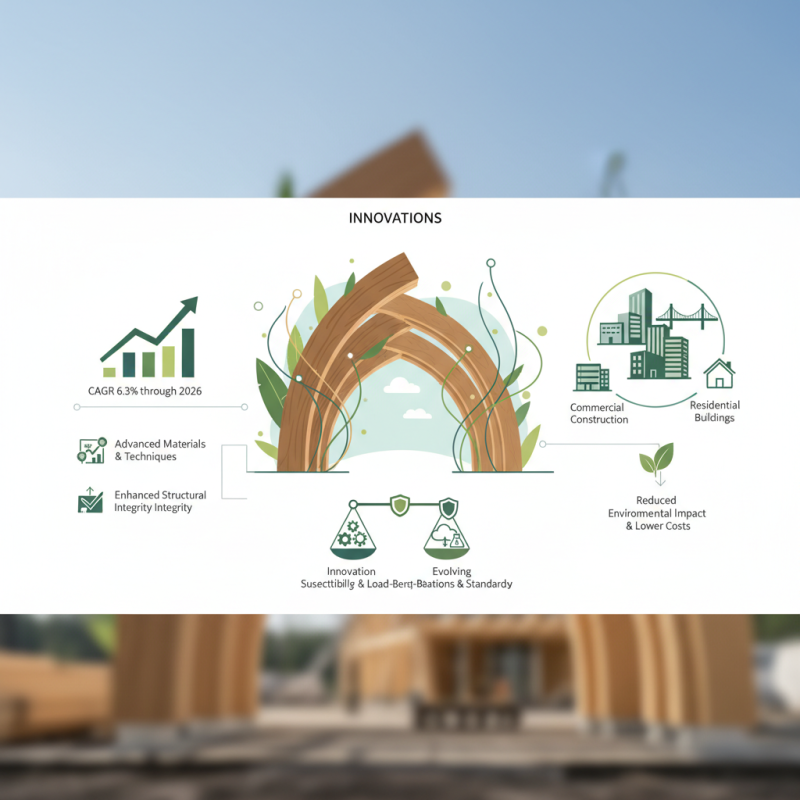
The innovation landscape in glue laminated beam design is evolving rapidly. As infrastructure demands increase, engineers are turning to advanced materials and techniques. Recent reports suggest that market growth for engineered wood products, including glue laminated beams, is projected to rise at a CAGR of 6.3% through 2026. This growth reflects a shift towards sustainable building practices.
Glue laminated beams provide strength and flexibility, making them ideal for various applications. They are widely used in commercial constructions, bridges, and residential buildings. Recent advancements have allowed for enhanced structural integrity and aesthetic appeal, often leading to lower costs and reduced environmental impact. However, challenges remain. Understanding the limitations of glue laminated beams, including moisture susceptibility and load-bearing capacity, is crucial for optimal use.
Moreover, manufacturers and designers must adapt to evolving regulations and standards. The need for compliance can sometimes limit innovation. While glue laminated beams offer numerous benefits, it is essential to remain cautious about their application in specific environments. As the industry moves forward, the focus must be on balancing innovation with practical limitations.
Recent Advances in Glue Laminated Beam Manufacturing Techniques
The field of glue laminated beam manufacturing has seen remarkable advances in recent years.
Innovative techniques such as automated assembly and precision machining have improved production efficiency.
According to a report by the International Wood Products Association, these advancements have reduced production time by up to 30%.
This efficiency not only lowers costs but also heightens the quality of the final product, ensuring consistent strength and durability.
Another significant improvement is the development of environmentally-friendly adhesives.
Traditional adhesives often contain harmful chemicals. New water-based alternatives are now available, with many manufacturers reporting a drop in VOC emissions by 40%.
This aligns with global sustainability efforts, yet challenges remain. The performance of eco-friendly adhesives under stress conditions still requires further study.
Furthermore, incorporating digital fabrication techniques allows for complex designs that were previously difficult to achieve.
This integration is inspiring architects and engineers to push the boundaries of design. However, the reliance on technology brings its own set of challenges.
Ensuring the training of workers to manage and operate these advanced systems is crucial for long-term success.
The industry stands at a crossroads, balancing innovation with the need for skilled labor.
Innovative Materials Used in Contemporary Glue Laminated Beams
The advancements in glue laminated beam design are making significant strides. Innovative materials play a crucial role in this evolution. For instance, bio-based adhesives are being increasingly utilized, replacing traditional synthetic options. These materials not only reduce environmental impact but also provide remarkable bonding strength. A recent industry report highlighted that the use of bio-based adhesives could decrease greenhouse gas emissions by up to 50%.
Moreover, there has been a surge in the use of engineered wood products. These products enhance structural integrity while maintaining lightness. This balancing act leads to superior energy efficiency in construction. According to a study by the Wood Products Council, engineered wood can outperform steel in strength-to-weight ratio by nearly 30%. However, as technology evolves, the challenge remains to ensure these materials retain their performance under various conditions.
Finally, sustainability is at the forefront of new material innovations. The industry's shift toward using reclaimed wood addresses both resource scarcity and waste management. While many applaud this direction, concerns linger about the potential inconsistency in quality. Additionally, the need for rigorous testing remains essential. Ensuring longevity and safety in applications is non-negotiable for these newer materials.
Design Strategies for Enhanced Structural Performance of Glue Laminated Beams
Glue laminated beams (glulam) have emerged as a popular choice in modern construction. Their design strategies are pivotal in enhancing structural performance. One innovative approach is the integration of optimized cross-sectional shapes. By varying the depth and width, engineers can tailor the beam's load capacity. This adjustment leads to significant material savings and improves overall stability.
Another strategy entails the use of advanced adhesives. These adhesives can enhance the durability of glulam beams, especially in challenging environments. For instance, waterproof and UV-resistant adhesives help maintain structural integrity over time. However, selecting the right adhesive can be complex. Not all adhesives perform equally under varying temperatures and humidity levels.
Moreover, detailed numerical modeling aids in predicting performance. Engineers can simulate different load scenarios to refine designs before actual construction. However, reliance on models requires caution. Real-world conditions may differ from simulations, leading to unexpected challenges. Continuous testing and adjustment remain essential to ensure reliability.
2026 Top Innovations in Glue Laminated Beam Design and Applications
| Innovation |
Description |
Benefits |
Applications |
Sustainability Impact |
| Advanced Adhesive Formulations |
New eco-friendly adhesives that reduce VOC emissions while enhancing bonding strength. |
Improved air quality, reduced environmental impact. |
Commercial buildings, residential structures. |
High sustainability ratings and lower carbon footprint. |
| Prefabricated Laminated Beams |
Factory-made beams that streamline construction and reduce onsite labor. |
Faster construction times and improved quality control. |
Multi-story buildings, bridges. |
Less waste generated during construction. |
| Smart Beam Technology |
Beams embedded with sensors to monitor structural health in real-time. |
Prevention of structural failures and enhanced safety. |
High-rise buildings, bridges, infrastructure. |
Improved resource conservation through predictive maintenance. |
| Fire-Resistant Laminates |
Innovative fire-retardant treatments for laminated beams. |
Enhanced fire safety in buildings. |
Commercial and industrial facilities, residential homes. |
Supports sustainable practices by preventing fire damage. |
| Lightweight Composite Materials |
Combining wood with synthetic materials to create lighter beams without sacrificing strength. |
Easier handling and reduced transportation costs. |
Sports stadiums, auditoriums. |
Less energy consumption during transport and handling. |
Applications of Glue Laminated Beams in Modern Architecture
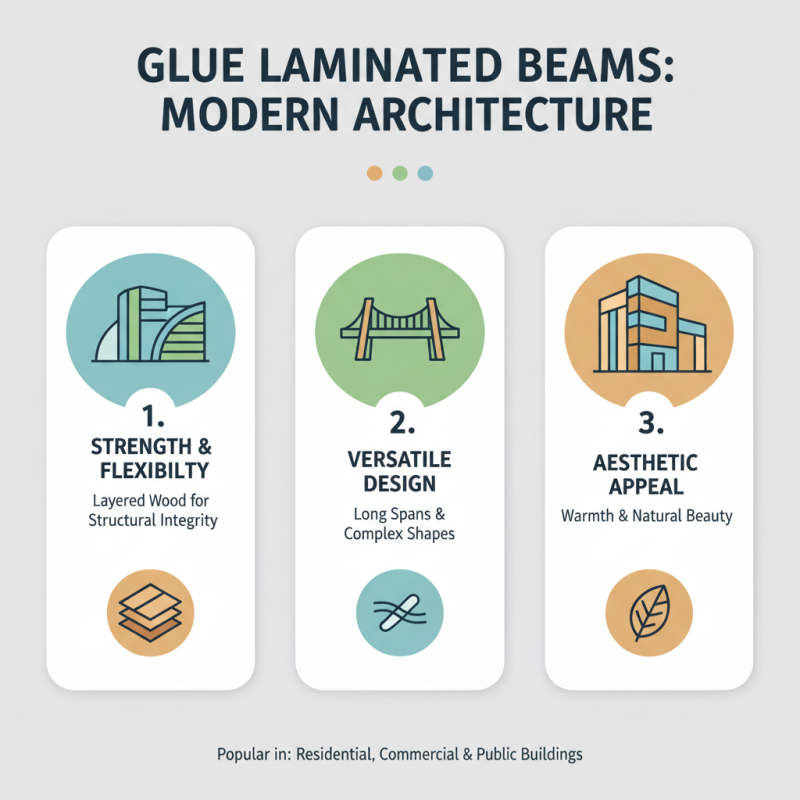
Glue laminated beams (glulam) have become a popular choice in modern architecture. They offer strength and flexibility in design. These beams are made by gluing together layers of wood. This process enhances their structural integrity. Architects appreciate them for their aesthetic appeal and versatility.
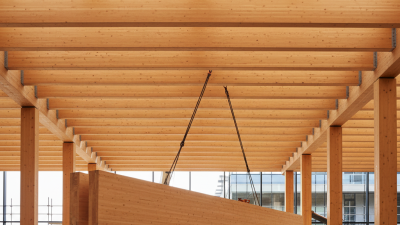
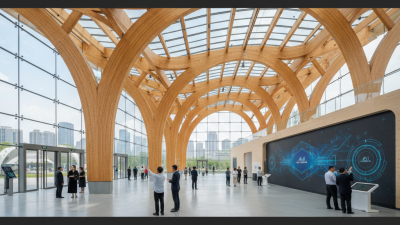
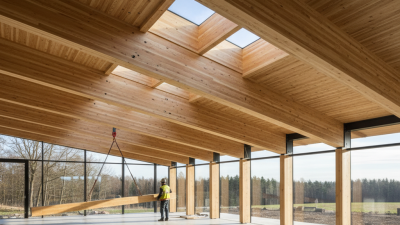
In contemporary settings, glulam beams are often used in large open spaces. They allow for expansive ceilings without support columns. This design feature creates a sense of openness. Additionally, glulam can be shaped into curves and innovative forms. This flexibility enables architects to push creative boundaries. However, challenges exist, such as ensuring proper moisture control in installations.
Tip: When considering glulam for a project, consult with structural engineers early. Their expertise ensures that design choices align with safety standards. Another tip: consider sustainability. Using responsibly sourced timber can enhance the building’s environmental performance. Glulam’s lifecycle often results in reduced waste. Remember, each project is unique. Tailor your glulam design to suit specific architectural needs and challenges.
Sustainability Considerations in Glue Laminated Beam Production
Sustainability is a key focus in the design and production of glue laminated beams. Modern building practices emphasize eco-friendly materials and efficient processes. Glue laminated beams, made from renewable timber, play a significant role in this movement. They offer a sustainable alternative to traditional building materials. Using reclaimed wood or sustainably sourced timber can reduce deforestation.
The adhesive technology used in these beams is also evolving. Water-based adhesives have become more popular. These adhesives emit fewer volatile organic compounds (VOCs). However, the production process still requires energy, raising questions about overall sustainability. Companies must balance performance with environmental impact.
Recycling options for glue laminated beams are limited. If these beams are not disposed of properly, they can contribute to landfill waste. It is essential for manufacturers to assess the entire lifecycle of their products. Exploring innovations in recycling and waste management will enhance the sustainability of glue laminated beams. Each step in the chain—from sourcing to installation—needs careful consideration to ensure true sustainability.